

Common Misconceptions About Therapy
Starting therapy can feel like walking into a room you’ve never entered before — a room filled with the possibility of healing, but also with uncertainty. For many people, taking that first step is the hardest part. Not because they don’t want help, but because the path to help is often clouded by assumptions, fears, and long-standing cultural myths about what therapy is and who it’s for.
At Montgomery Counseling Group, we meet many individuals and families who’ve waited months — even years — before reaching out. The delay often isn’t about access or awareness. It’s about perception. People hesitate not because therapy can’t help, but because they carry misconceptions that make help feel unreachable.
In this post, we want to bring those misconceptions into the light. We’ll talk about what therapy actually looks like, why people avoid it, and how to reset your expectations if you’re considering beginning this journey for the first time.
Is Therapy Only for Mental Illness?
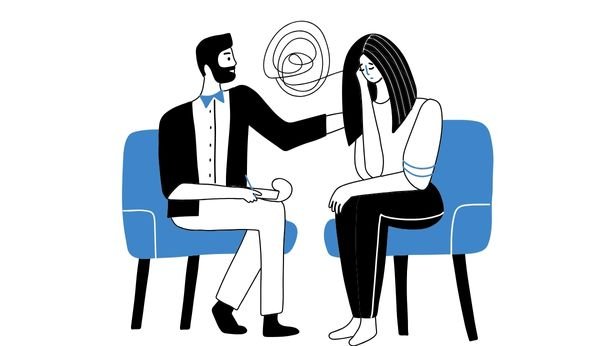
Perhaps the most widespread myth we encounter is the belief that therapy is only for people with a diagnosed mental illness. It’s not. While therapy is a proven and effective treatment for conditions such as anxiety, depression, and trauma, it is also a powerful tool for everyday life stressors. The National Institute of Mental Health has a thorough overview of evidence-based psychotherapy approaches and who they can benefit.
At our practice, we work with clients who are navigating breakups, parenting stress, career changes, grief, burnout, creative blocks, or just a sense of being “off.” They aren’t mentally ill — they’re human. Therapy helps them feel less stuck and more grounded in their decisions, relationships, and sense of self.
So when someone asks, “Is therapy only for mental illness?” our answer is always: absolutely not. Therapy is for anyone who wants to better understand their emotional world, strengthen resilience, and live more intentionally.
Also Read: How Therapy Helps You Regulate Your Emotions
What to Expect the First Time You Sit in a Therapist’s Office
There’s a moment — right after someone books their first therapy session — when doubt creeps in. “What if I don’t know what to say? What if I cry? What if the therapist judges me?” These questions are normal, especially if it’s your first time seeking support. Reading about what to expect in that first session can help ease that uncertainty before you even walk in the door.
One of the most important things to understand is that therapy doesn’t begin with your most painful memory or your most vulnerable moment. It begins with a conversation. Your therapist will ask what brought you in. They may ask what you hope to work on or how you’ve been feeling lately. You don’t need a perfectly packaged story — just honesty and openness.
We find that when clients know what to expect in those first few sessions, their anxiety drops. That’s why we always emphasize that therapy is a relationship — one built on trust, not performance. You don’t have to have the “right” answers. You just have to show up.
Why People Avoid Therapy (Even When They Want It)
Avoidance isn’t always resistance. Sometimes, it’s protection. People often avoid therapy because they’re scared of what they’ll uncover. Understanding these self-protective patterns — and why we develop them — is often the first step toward recognizing them without judgment.
Others avoid therapy because they’ve internalized a message — from family, culture, or society — that asking for help is weak. Some have had negative past experiences with therapists who weren’t the right fit. Some worry they’ll be misunderstood. Some simply don’t know how to start. In Charlotte, as in many places, these barriers are real and deserve compassionate acknowledgment.
At Montgomery Counseling Group, we view all of this with compassion. Avoidance is a signal, not a flaw. It tells us there’s something important behind the hesitation — something tender, maybe even painful, that hasn’t been ready to surface.
Our role as therapists is not to push past that avoidance, but to meet it with empathy. The truth about starting counseling is that it’s okay to feel unsure, to take your time, and to move at a pace that feels safe.
What People Often Assume vs. What Actually Happens
| Misconception | Reality |
|---|---|
| Therapy is about digging up all your trauma on day one. | The first few sessions are about relationship-building and setting goals. You are never forced to talk about anything before you’re ready. |
| Therapy means something is “wrong” with you. | Therapy is about growth, insight, and emotional clarity — not brokenness. |
| A therapist will analyze and fix you. | Therapists don’t “fix” people. They walk with you as you understand and shift your patterns. |
| If I don’t cry or feel emotional, I’m not doing it right. | There is no “right” way to do therapy. Every session — quiet, intense, lighthearted — is part of the work. |
| You only need therapy if things are falling apart. | Many clients come to maintain well-being or proactively explore change — not just survive crisis. |
Understanding Emotional Readiness
One of the most overlooked aspects of beginning therapy is emotional readiness. Even if you logically know therapy is a good idea, your nervous system might still be on guard. That’s okay. Therapy asks us to soften defenses we’ve carried for years. It’s normal to feel ambivalent. If you’re struggling with self-judgment about not feeling ready, exploring practical approaches to being kinder to yourself can make a real difference before or alongside therapy.
You might worry you’ll be too emotional. Or not emotional enough. You might fear judgment — from your therapist, from others, or from yourself. But emotional readiness doesn’t mean being confident or healed before you begin. It means being willing to show up with whatever truth is available to you, even if it’s messy or unclear.
Therapists are trained to hold uncertainty. We don’t expect polished stories. We don’t expect quick answers. We expect humanity — and we honor it. You can also review our Rates & Insurance page to understand what coverage may apply, so that practical concerns don’t stand between you and getting started.
In fact, that’s the foundation of effective therapy: learning how to bring your full self into the room, piece by piece, at your own pace.
Primary Client Concerns Before Starting Therapy
(Based on client feedback at Montgomery Counseling Group)
35% – “I don’t know what to say in the first session.”
22% – “I’m afraid I’ll be judged or misunderstood.”
18% – “I’m not sure my problems are ‘serious enough.’”
15% – “I’m worried I’ll get overwhelmed.”
10% – “I had a bad past experience with therapy.”
These numbers remind us that most barriers to therapy are emotional, not logistical. And that means they can be softened — with time, support, and a therapist who knows how to meet you where you are.
Reframing the Myths, Embracing the Process
There is no perfect way to begin therapy. And there is no perfect timeline for feeling comfortable with it. But what we know from years of experience is this: the people who stay, who give themselves permission to be imperfect, uncertain, and honest — those are the people who see the most growth.
Therapy isn’t a quick fix. It’s a relationship with yourself. One that takes time to build, but one that can change everything — your inner world, your relationships, your choices, your peace.
So if you’re thinking about beginning therapy, or if you’ve started and feel unsure, we encourage you to stay. Ask questions. Voice doubts. And allow yourself the gift of real emotional support.
Final Thoughts from Our Team
We know the start of therapy can feel intimidating. We also know what’s possible on the other side of that hesitation. Every client we’ve worked with has walked in carrying questions, myths, and fears — and every one of them has shown us how courage doesn’t always look loud. Sometimes, it looks like whispering “I need help,” and allowing someone to listen.
If you’re ready to challenge the myths and discover what therapy can really be, we’re here. With openness. With compassion. And with space for you to begin — exactly as you are.
Related Article: Tips on How to Take Care of Your Mental Health