

Taylor Banner on Healing Relationship Patterns That Hold You Back
Relationships and our bonds with people around us bring joy, security, and a sense of belonging. But sometimes these relationships can also reveal our deepest fears and unresolved pain. Many people find it difficult to maintain healthy relationships and are often seen repeating the same dynamics. These patterns have ruined many human relationships and have resulted in broken marriages, friendships, and more. If you have ever asked yourself, “Why do I repeat unhealthy relationship patterns?” you’re not alone.
The struggle begins with choosing emotionally unavailable partners or finding it difficult to trust, or falling into cycles of conflict and withdrawal. These patterns often have deep roots in our past. But, the good part is that with awareness, support, and the right tools, you can break toxic cycles and create healthier, more fulfilling connections.
Why We Repeat Unhealthy Relationship Patterns
Unhealthy relationship patterns do not just exist. These patterns are developed over time. In most cases, they begin in childhood, where we first learn how to give and receive love. If people grow up in an environment where emotional needs were ignored, boundaries were unclear, or affection and appreciation were tied to performance, you might carry those lessons with you as you grow up.
This is what relationship therapists call attachment patterns. These are emotional blueprints that are deeply ingrained to guide how we relate to others. Without conscious change, we can find ourselves unconsciously drawn to relationships that feel “familiar,” even if they are harmful.
For example:
- Avoidance: If you were someone who felt unsafe with closeness, you might keep emotional distance in relationships.
- Over giving: If you are someone who feels that you can only earn love through caretaking, you might end up ignoring your own needs.
- Conflict cycles: If conflict was frequent in your family, you might see arguments as “normal” or unavoidable.
You can only heal if you understand that these patterns are learned with time and are not a fixed part of you.
Also Read: How Therapy with Taylor Banner Helps
How Childhood Trauma Shows Up in Adult Relationships
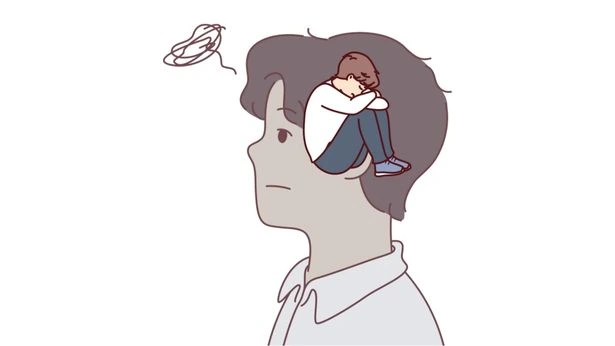
Healing childhood trauma in adult relationships isn’t just about revisiting memories — it’s about understanding how those early experiences shape the way we think, feel, and respond to others in the present. Trauma can leave lasting imprints that show up in many ways, such as struggling to trust your partner, feeling overly anxious about being abandoned, having difficulty expressing your needs, overreacting to small conflicts, or staying in relationships that hurt you simply because they feel familiar. These reactions are not signs that you are “broken.” Instead, they reflect survival strategies your nervous system and emotional patterns once relied on but that no longer serve you today. Through therapy, you can gently unlearn these responses and replace them with healthier, more supportive ways of connecting.
Breaking the Cycle: What Healing Looks Like
Therapy for breaking relationship cycles focuses on both insight and action. Simply knowing why you do something isn’t enough — you also need tools to respond differently in the moment.
Taylor Banner, LCSWA, an individual and couple therapist with Montgomery Counseling Group in Charlotte, helps individuals, couples, and families identify these patterns and build healthier ways of relating. Her approach is warm, non-judgmental, and deeply focused on creating lasting change.
Some key steps to breaking toxic relationship patterns include:
- Identify the pattern – Recognize what keeps repeating.
- Explore the origin – Understand where it started in your past.
- Challenge the belief – Replace “I don’t deserve love” with “I am worthy of a healthy connection.”
- Practice new behaviors – Try setting boundaries, expressing needs, or allowing closeness.
Stay compassionate with yourself – Change takes time and patience.
Emotional Patterns That Sabotage Intimacy

Intimacy requires safety, trust, and emotional openness. But when old wounds are unhealed, we may unconsciously sabotage closeness in relationships. This can look like:
- Picking fights when things feel “too good”
- Avoiding deep conversations
- Becoming overly dependent or overly independent
- Distrusting positive gestures from your partner
Working with a therapist in Charlotte helps you recognize when fear is driving your reactions — and replace those reactions with choices that bring you closer to the relationships you truly want.
Why Professional Support Matters
You don’t have to figure this out alone. Friends and self-help books can offer insight, but a skilled therapist provides a safe, structured space to do deeper work.
Taylor Banner uses evidence-based techniques such as Cognitive Behavioral Therapy (CBT), mindfulness, and communication skills training to help clients:
- Interrupt harmful patterns before they escalate
- Communicate in ways that promote understanding
- Rebuild trust after conflict or betrayal
- Develop self-awareness and emotional resilience
She believes that change is possible for everyone, no matter how long these patterns have been in place.
A Note from Taylor Banner
“You are not alone in your struggle. Seeking therapy is a sign of strength and the first step toward setting things right. Change doesn’t happen overnight, but every step you take toward healing is a step toward a life where love feels safe, supportive, and nourishing. Don’t think twice about giving yourself that chance.”
Taking the First Step
If you recognize yourself in these patterns, it’s not a sign of failure — it’s an invitation to grow. You can learn how to break toxic relationship patterns, heal childhood wounds, and build connections that feel supportive and genuine.
Working with a therapist like Taylor Banner can give you the tools, perspective, and encouragement to finally step out of the cycles that have held you back. It’s never too late to create the kind of relationships you’ve always hoped for.
Ready to Start Your Journey Toward Healthier Relationships?
Contact Montgomery Counseling Group today to schedule a session with Taylor Banner, LCSWA. Whether you’re seeking help for anxiety, depression, past trauma, or relationship struggles, Taylor can guide you with compassion, expertise, and a deep belief in your ability to change.
Related Article: How to Talk to Your Partner Without Feeling Judged