

Clinical Hypnosis: What It Is, How It Works, Benefits & Risks
In recent years, more people have started to explore and accept holistic forms of therapy, leading many to ask, “What is Clinical Hypnosis?” and how it can support healing and growth. People talk about therapy goes beyond talking about problems. They are now instead inviting the body and mind to heal together. One such approach is clinical hypnosis. It is a therapeutic method that helps people access deeper states of awareness to support emotional and physical healing. Although it is often misunderstood due to a lack of awareness. Clinical hypnosis is not about losing control or being under a spell. Instead, it is a gentle, guided process that helps you connect with your subconscious mind in a safe and structured way.
At Montgomery Counseling Group (MCG), clinical hypnosis is one of the many approaches used to help clients find relief. It also helps people find clarity and empowerment. The group’s founder, John Burns, LCSW, is a licensed trauma therapist, somatic practitioner, and EMDR clinician based in Charlotte, NC. John holds a specialization in working with adults. He expertly navigates complex trauma, neurodivergence, dissociation, and identity exploration. His practice is grounded in care that is relational, body-aware, and deeply attuned to how culture, power, and lived experience shape the way we heal.
What Is Clinical Hypnosis?
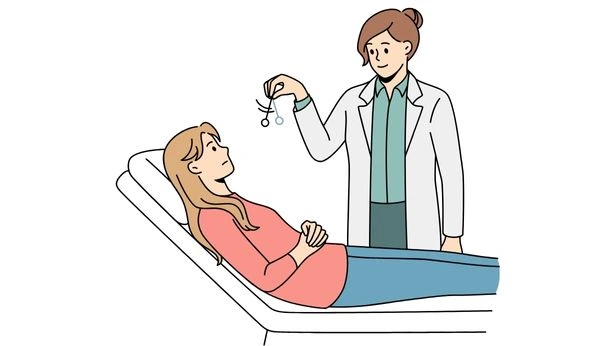
Clinical hypnosis is also known as clinical hypnotherapy. It is a therapeutic process that uses focused attention, guided relaxation, and imagery to help individuals access a deep calmness. It helps you reach a receptive state of mind, sometimes called a trance state. In this state, the mind becomes more open to positive suggestions and self-reflection, allowing clients to explore underlying emotions, habits, and memories in a safe way.
Unlike the hypnosis you might see in entertainment or pop culture, clinical hypnosis is grounded in psychology and neuroscience. It is facilitated by trained mental health professionals who use it as part of a broader therapeutic plan to help with anxiety, trauma, chronic pain, phobias, and more.
The goal is not to control your mind but to help you understand and work with your own mind more effectively.
How Does Clinical Hypnosis Work?
Clinical hypnosis works by guiding you into a state of deep relaxation and focused attention, similar to being completely absorbed in a book or movie. During a session, your therapist might use calming language, imagery, or breathing techniques to help you enter this state.
Once you are there, your conscious mind relaxes slightly, and your subconscious mind. The part that holds emotions, patterns, and memories becomes more accessible. This allows the therapist to gently introduce new perspectives, help you reframe distressing memories, or develop healthier responses to triggers.
For example:
- Someone struggling with anxiety may use hypnosis to identify the underlying beliefs fueling their fear.
- Those dealing with chronic pain might learn to use their mind’s focus to lessen the pain’s intensity.
- Individuals with trauma can process experiences at a pace that feels safe and contained, integrating emotional and physical sensations in a body-aware way.
Sessions are always collaborative. You remain in control the entire time. You can speak, pause, or stop whenever you wish.
Clinical Hypnosis vs. Hypnotherapy
These terms are often used interchangeably, but there’s a small difference:
- Clinical hypnosis typically refers to the use of hypnosis by licensed clinicians, such as psychologists, social workers, or counselors, within a structured therapeutic setting.
- Hypnotherapy can sometimes be used more broadly and may include practitioners without formal clinical training.
At MCG, hypnosis is practiced clinically, meaning it is used ethically and safely by trained therapists who integrate it into a comprehensive treatment plan. It is never a stand-alone “quick fix” but rather a tool to support ongoing growth and healing.
Benefits of Clinical Hypnosis
People seek clinical hypnosis for many different reasons. Some of the most common benefits include:
- Reduced Anxiety and Stress
Hypnosis helps calm the nervous system and quiet racing thoughts. Many people describe it as a state of peaceful alertness, relaxed but aware.
- Pain Management
Research has shown that hypnosis can help reduce chronic pain by altering how the brain processes pain signals. It does not “erase” pain but helps change your relationship with it.
- Improved Focus and Sleep
Because hypnosis involves learning how to guide your attention, many clients find they can concentrate better and sleep more easily afterward.
- Support for Trauma Healing
When used by trauma-informed therapists like John Burns, hypnosis can help clients safely access and integrate experiences that may feel overwhelming. It allows the body and mind to reconnect gently, without re-traumatization.
- Behavioral Change
Hypnosis can support change in habits. Such as smoking cessation, emotional eating, or self-criticism, by helping to shift subconscious patterns and strengthen new, healthier responses.
Risks and Side Effects of Clinical Hypnosis
Clinical hypnosis is generally very safe when practiced by a licensed professional. However, like any therapeutic tool, it’s not suitable for everyone.
Some people may feel emotional discomfort as they access difficult memories or sensations. This is why it’s crucial to work with a therapist who creates a sense of safety and knows how to guide you back to calm awareness.
Rarely, individuals may feel lightheaded, disoriented, or emotionally raw after a session. These effects are usually temporary and discussed openly with the therapist as part of aftercare.
What matters most is that your therapist helps you stay grounded and empowered throughout the process.
Why Clinical Hypnosis Fits Within MCG’s Approach
At Montgomery Counseling Group, every therapist approaches healing as a collaborative relationship, not a one-size-fits-all process. The practice integrates techniques like EMDR, somatic therapy, and clinical hypnosis within a framework of relational and body-based care.
John Burns believes that therapy should honor each person’s story, not try to fit it into a rigid model. He and his team, including Michelle Daley, Javontae Bradley, Laura Greer, Taylor Banner, and Jennifer Busco, bring specialized expertise to meet clients where they are, whether that’s managing trauma, supporting children, or integrating mind-body wellness.
MCG’s therapists see healing as a human experience, not just a clinical outcome. The group’s success is measured by client feedback and participation, empowering clients to become active partners in their own growth.
In this context, clinical hypnosis is not about “fixing” someone. It is about helping the mind and body communicate more clearly, fostering curiosity, self-compassion, and lasting change.
The Heart of Healing
Clinical hypnosis reminds us that healing is not just about insight. It is about connection: between mind and body, therapist and client, consciousness and subconsciousness.
At Montgomery Counseling Group, and especially in John Burns’ practice, therapy is a space where people can safely explore who they are beneath the noise of survival. It is a process rooted in respect, relationship, and hope.
If you are curious about clinical hypnosis or wondering whether it might help you manage anxiety, trauma, or emotional pain, reaching out to a licensed counselor in Charlotte is a meaningful first step toward healing.