
Therapy Services in Charlotte, NC | Montgomery Counseling Group
What you’re carrying right now is real. Whether it’s anxiety that won’t let you sleep, a relationship that keeps cycling through the same painful patterns, trauma that surfaces when you least expect it, or a child whose behavior has shifted in ways you can’t explain, you deserve more than a generic referral and a long waitlist.
Montgomery Counseling Group is a trauma-informed psychotherapy practice in Charlotte, NC. Every clinician on our team works from a shared clinical framework, which means whether you’re coming in for couples therapy or your child is here for school anxiety, you’re receiving care that’s rooted in the same coordinated clinical language.
We offer in-person sessions and telehealth services to clients throughout North Carolina.
Ready to get started? Contact Montgomery Counseling Group today to schedule a consultation:
What Makes Montgomery Counseling Group Different
A lot of therapy practices list the same services. What separates MCG isn’t the list, it’s the shared framework underneath it. Every clinician here works from a trauma-informed orientation. That’s not a marketing phrase. It means that when a parent brings in a child struggling with school avoidance, and an adult is down the hall processing decades of complex trauma, their respective therapists share a clinical language and understanding of how the nervous system works under pressure.
That coordination matters. It shapes how relationships are built, how behavior is understood, and how care is delivered across every service on this page.
According to the American Psychological Association (APA), trauma-informed care improves engagement and outcomes across a wide range of presenting concerns, not only for people with trauma histories.
Learn more about our approach on our About page.
Our Mental Health Services
1. Anxiety Therapy
Anxiety doesn’t always look like panic. Sometimes it looks like overplanning, constant reassurance-seeking, a mind that won’t stop running at 2 a.m., or a body that braces for impact before anything has even gone wrong. If that resonates with you, you’re not broken. Your nervous system learned to stay alert. That protective response made sense at some point. And with the right support, it can shift.
Our clinicians work with anxiety across its many forms: generalized worry, social anxiety, performance anxiety, health anxiety, and anxiety rooted in past experiences. Approaches vary by clinician and may include trauma-informed talk therapy, EMDR, mindfulness-based strategies, and skill-building. The National Institute of Mental Health (NIMH) notes that anxiety conditions are among the most common mental health experiences in the U.S., affecting tens of millions of people each year.
2. Trauma Therapy
Trauma isn’t always a single event. For many people, it’s the accumulation of relational ruptures, early childhood experiences, or chronic exposure to stress that didn’t have a safe outlet. That kind of trauma, often called complex or developmental trauma, can show up years later as hypervigilance, shame, disconnection, or relationship patterns that repeat no matter how hard you try to change them.
MCG’s trauma-informed framework shapes how every clinician in the practice thinks and works. Clinicians use modalities such as Eye Movement Desensitization and Reprocessing (EMDR), Internal Family Systems (IFS), Dialectical Behavior Therapy (DBT), and Emotionally Focused approaches depending on what fits each person best.
3. Eye Movement Desensitization and Reprocessing (EMDR)
Your brain’s threat detection system, the amygdala, can stay stuck in danger mode long after the original threat is gone. That’s why you might feel flooded by a memory that “shouldn’t” bother you anymore, or why your body reacts before your mind even registers what’s happening. EMDR works by helping the brain reprocess stored traumatic memories, moving them from “happening now” to “something that happened then.”
John Burns, MSW, LCSW, EMDRIA Approved Consultant, leads EMDR work at MCG with a specialized focus on complex and developmental trauma. As an EMDRIA Approved Consultant, he provides consultation to other EMDR clinicians nationally and brings that same depth of expertise to every client session. Michelle Daley, LCMHC, is also trained in EMDR and applies it with children and adolescents.
4. Therapy for Depression
Depression isn’t just sadness. It’s the flatness that settles in when nothing feels worth the effort. It’s going through the motions while feeling like you’re watching from a distance. For many people, it arrived alongside grief, a major life change, postpartum adjustment, chronic stress, or losses that didn’t get enough space to be mourned.
MCG’s clinicians work with depression not as a deficit to be corrected, but as a response that developed for reasons. Therapy can help you understand what’s underneath it, build new capacity for regulation and connection, and find a path forward that doesn’t require pretending everything is fine
5. Couples and Family Therapy
Relationships don’t break all at once. The disconnection usually builds quietly, in repeated moments when one partner reaches out and doesn’t find the other, or when conflict cycles through the same script without landing anywhere different. Family systems carry their own patterns too, often ones that were established long before anyone in the room was born.
Taylor Banner, LCSWA, specializes in couples and family work using Emotionally Focused Family Therapy and Structural Family Therapy. These approaches help partners and families understand the underlying emotional dynamics that drive surface-level conflict. The goal isn’t to assign blame. It’s to understand what each person in the relationship is really needing and to build new ways of reaching each other.
6. Therapy for Children and Adolescents
When a child’s behavior shifts, whether it’s school refusal, withdrawal, anxiety that keeps them home, or outbursts that seem disproportionate, that behavior is communicating something. It developed for a reason. Understanding what it’s saying is where the work begins.
MCG offers therapy for children and adolescents with caregivers kept closely in the loop. Michelle Daley, LCMHC, is trained in EMDR and Play Therapy approaches for younger clients, with a focus on children and adolescents navigating ADHD, autism, parent-child relationship challenges, and school avoidance. Naila McConnell, LCMHCA, Certified Dialectical Behavior Therapist, also works with children, adolescents, and families, including those navigating substance use concerns alongside mental health.
For parents reading this: your worry makes sense. And your instinct to get support is the right one.
7. Dialectical Behavior Therapy (DBT)
Dialectical Behavior Therapy (DBT) was originally developed for people experiencing intense emotional distress and has since been adapted effectively for a wide range of presenting concerns, including anxiety, depression, trauma, relationship difficulties, and substance use. DBT builds four core skill areas: mindfulness, distress tolerance, emotional regulation, and interpersonal effectiveness.
Naila McConnell, LCMHCA, is a Certified Dialectical Behavior Therapist, which means her training in DBT goes beyond the introductory level. She works with adults, children, adolescents, couples, and families, including those navigating co-occurring mental health and substance use concerns. When your nervous system feels like it’s running at a level you can’t manage, DBT offers practical tools for bringing it back within range.
8. Cognitive Behavioral Therapy (CBT)
Cognitive Behavioral Therapy (CBT) is one of the most thoroughly researched approaches in psychotherapy. It works by helping you identify the connections between thoughts, feelings, and behaviors, and building skills to shift patterns that are keeping you stuck. CBT is practical and structured, which makes it a strong fit for people who want a clear framework for what they’re working on and why.
At MCG, CBT is used as one tool within a broader trauma-informed approach. It’s not applied rigidly or as a one-size-fits-all protocol. Clinicians draw on it where it fits the individual, alongside other evidence-based methods.
9. Clinical Hypnosis
Clinical hypnosis is not stage performance. It’s a focused, evidence-based state of attention used therapeutically to access the subconscious patterns that drive behavior and emotional experience. When talk alone doesn’t reach the deeper roots of what someone is carrying, clinical hypnosis can open a different kind of access.
John Burns, MSW, LCSW, EMDRIA Approved Consultant, practices Ericksonian clinical hypnosis, an approach rooted in naturalistic trance and indirect suggestion developed by Milton H. Erickson. It’s applied in his work with complex and developmental trauma, often alongside EMDR and Internal Family Systems (IFS) when a multi-modal approach serves the client best.
MCG’s trauma-informed framework shapes how every clinician in the practice thinks and works. Clinicians use modalities such as Eye Movement Desensitization and Reprocessing (EMDR), Internal Family Systems (IFS), Dialectical Behavior Therapy (DBT), and Emotionally Focused approaches depending on what fits each person best.
10. Group Therapy
There is something that happens in groups that individual therapy can’t always replicate: the experience of being witnessed by others who understand. Not because they share your exact story, but because they understand what it means to carry something heavy and sit in a room and say it out loud anyway.
MCG offers group therapy for a range of presenting concerns. Groups provide both psychoeducation and relational practice, meaning you’re not just learning about something, you’re building new capacity within a supported relational container. For many people, group becomes a significant part of their healing alongside individual work.
11. Telehealth Services Across North Carolina
97 of North Carolina’s 100 counties are designated Mental Health Professional Shortage Areas. For many people across the state, the specialist they need doesn’t exist nearby, and that gap is real. MCG’s telehealth services extend every service on this page to clients throughout North Carolina, including areas where trauma-informed care and EMDR-trained clinicians are especially hard to find.
Telehealth at MCG is conducted over a secure, HIPAA-compliant platform. Sessions are scheduled with the same care and consistency as in-person work. If you’re outside Charlotte but need access to the level of clinical specialization this team offers, telehealth is the pathway.
Meet Our Clinicians
Every clinician at Montgomery Counseling Group brings distinct expertise within MCG’s shared trauma-informed framework. Here is who you’ll find on the team.
John Burns, MSW, LCSW, EMDRIA Approved Consultant
John is the founder of Montgomery Counseling Group and the practice’s specialist in complex and developmental trauma. His clinical focus is C-PTSD and trauma that has roots in early relational experiences, and his treatment modalities include EMDR, Internal Family Systems (IFS), and Ericksonian clinical hypnosis. As an EMDRIA Approved Consultant, he provides consultation to other EMDR clinicians nationally
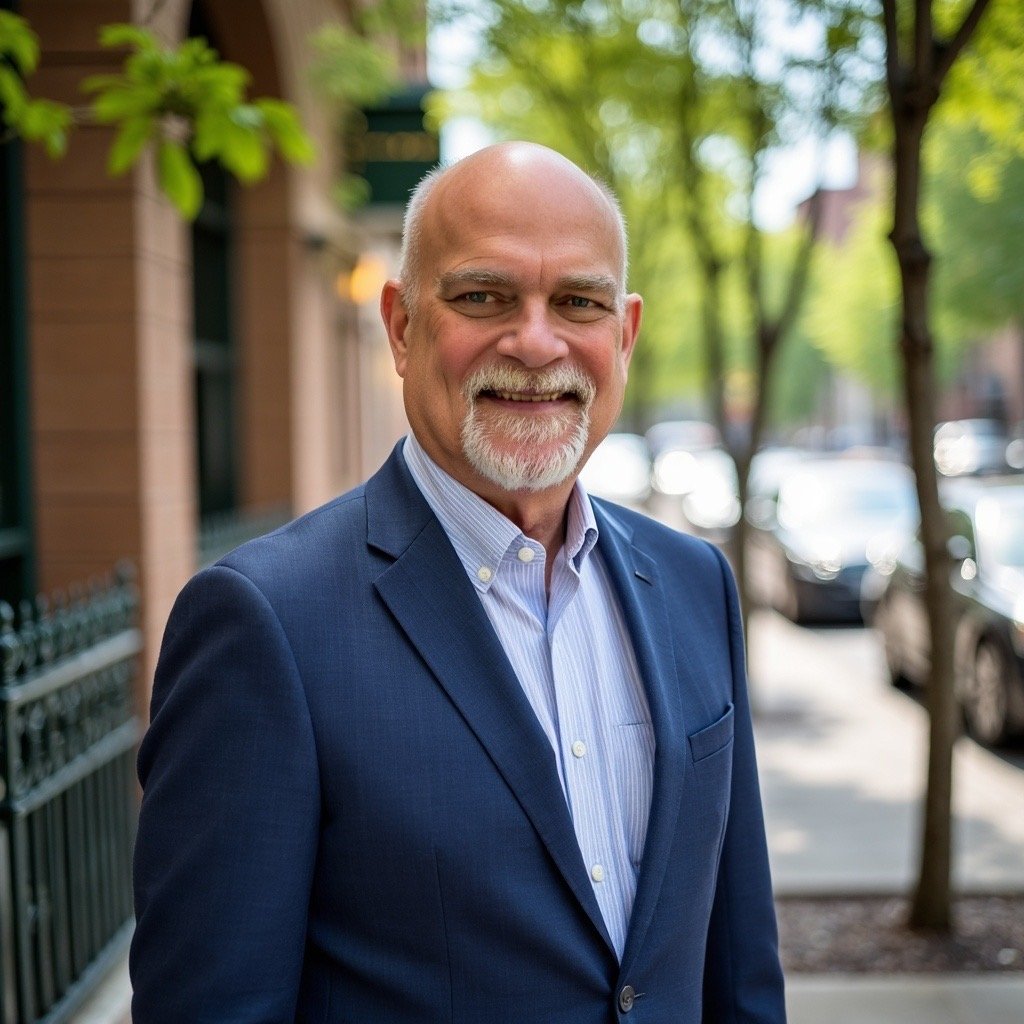
Taylor Banner, LCSWA
Taylor specializes in couples and family therapy, working with relational systems that are stuck in patterns neither partner or family member can break on their own. Her approaches include Emotionally Focused Family Therapy and Structural Family Therapy. Read more:

Michelle Daley, LCMHC
Michelle works primarily with children and adolescents, including those navigating ADHD, autism, school avoidance, and parent-child relationship challenges. She is trained in EMDR and Play Therapy. Michelle also served in the U.S. Navy, and that background informs a clinician who understands discipline, structure, and the weight of service in ways that extend to the families she works with. Read more:
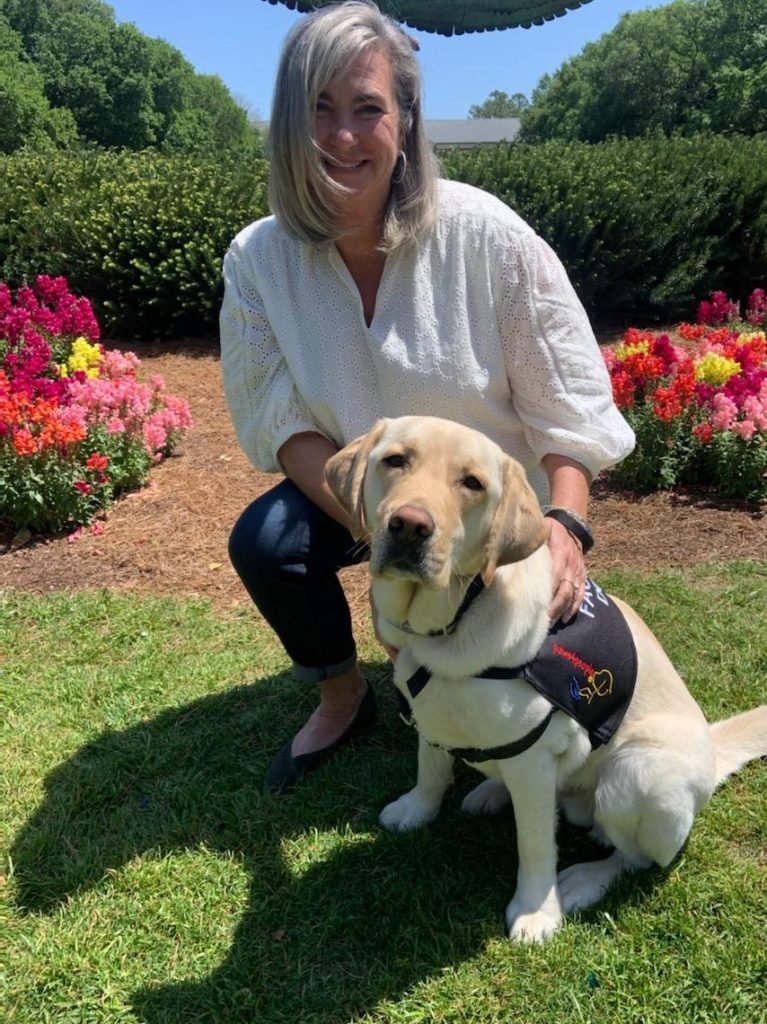
Naila McConnell, LCMHCA, Certified Dialectical Behavior Therapist
Naila’s scope is one of the broadest on the team: adults, children, adolescents, couples, and families, including those navigating co-occurring mental health and substance use concerns. She holds a Certified Dialectical Behavior Therapist credential and is also trained in Alternatives for Families: A Cognitive Behavioral Therapy (AF-CBT)

Javontae Bradley, LCMHCA
Javontae focuses on men’s issues, trauma-informed care, and culturally responsive psychotherapy. His work is DBT-informed and shaped by a commitment to meeting clients within their cultural context. He brings a grounded, specific perspective to clients who have often been underserved by traditional mental health settings. Read more:

Who We Serve
Montgomery Counseling Group serves a broad range of people, and our trauma-informed framework means all of them receive care from clinicians who share a common clinical orientation. Some of those we work with include:
- Adults navigating anxiety, depression, burnout, grief, and life transitions
- Couples and partners working through relational ruptures, communication breakdowns, and disconnection
- Families dealing with system-level patterns that keep repeating across generations
- Children and adolescents experiencing school stress, behavior changes, anxiety, ADHD, and autism-related challenges
- Men seeking culturally responsive, trauma-informed care that speaks to their specific experience
- People living with complex trauma, C-PTSD, and developmental trauma histories
- Individuals navigating co-occurring mental health and substance use concerns
- North Carolina residents outside Charlotte who need access to specialized telehealth care
You don’t need to arrive with a clear diagnosis or a tidy explanation of what’s wrong. You just need to be willing to show up. Our team will figure out the rest with you.
Rates and Insurance
Information about session fees and insurance is available on our Rates and Insurance page. If you have specific questions about coverage or fees before scheduling, you’re welcome to reach out directly.
Frequently Asked Questions
What does "trauma-informed" actually mean for how therapy is delivered?
It means every clinician at MCG understands behavior through the lens of how people’s nervous systems and attachment patterns develop in response to their experiences. A trauma-informed therapist doesn’t start from “what’s wrong with you,” they start from “what happened, and how has your system adapted?” That framing changes how the relationship is built, how presenting concerns are understood, and how care is coordinated across the practice.
Do I need a trauma history to work with a clinician at MCG?
No. MCG is a trauma-informed practice, not a trauma-exclusive one. Clients come to MCG for anxiety, depression, life transitions, couples challenges, family conflict, grief, school-related stress, and many other concerns. The trauma-informed framework shapes how clinicians think and relate, which benefits everyone, not only people with explicit trauma histories.
What therapy approaches do MCG clinicians use?
The team works with a range of evidence-based modalities across different clinicians: EMDR, Internal Family Systems (IFS), Ericksonian clinical hypnosis, DBT, Emotionally Focused Family Therapy, Structural Family Therapy, Cognitive Behavioral Therapy (CBT), Play Therapy, expressive therapies, mindfulness-based approaches, and AF-CBT. The right approach is matched to the individual, not applied uniformly to every client.
Can I access therapy if I'm not in Charlotte?
Yes. MCG offers telehealth services to clients throughout North Carolina over a secure, HIPAA-compliant platform. This includes access to EMDR, trauma-informed care, DBT, and all other services offered by MCG’s clinical team. If you’re outside Charlotte and looking for a specialist who isn’t available locally, telehealth is a real and viable option.
How do I know which therapist at MCG is right for me?
The best starting point is reaching out to MCG directly. The team can help match your presenting concerns, goals, and preferences with the clinician whose focus and approach fit best. You can also review each clinician’s bio to get a sense of their specialty areas before scheduling.
What should I expect in a first therapy session at MCG?
The first session is primarily a conversation. Your clinician will ask about what brought you in, your history, what you’re hoping for from therapy, and any relevant background. You won’t be expected to process everything in session one. The goal of the first appointment is to begin building the relationship and assess what kind of support makes sense for you.
Does MCG offer therapy for men specifically?
Yes. Javontae Bradley, LCMHCA, specializes in men’s issues, trauma-informed care, and culturally responsive psychotherapy. His work addresses the specific ways men are often taught to suppress, avoid, or push through emotional experience, and offers a clinical space that takes that context seriously.
Does MCG work with children and teens, or only adults?
MCG works with children, adolescents, and adults. Michelle Daley, LCMHC, focuses on children and adolescents including those with ADHD, autism, school avoidance, and parent-child relationship concerns. Naila McConnell, LCMHCA, Certified Dialectical Behavior Therapist, also works with younger clients and families. Caregivers are kept closely involved in the process.
Schedule a Consultation
If you recognize something on this page, whether it’s in your own experience, a partner’s, or a child’s, reaching out is the practical next step. Montgomery Counseling Group offers in-person sessions in Charlotte, NC and telehealth services throughout North Carolina.
Our team can help you identify which clinician and approach best fits what you’re bringing in. A consultation is where that conversation starts.
Additional Resources
For general mental health information and clinical research, you may find the following resources useful:
- National Institute of Mental Health (NIMH) – federal research and information on mental health conditions
- American Psychological Association (APA) – clinical guidelines, research, and public resources
The Liven Blog – mental health perspectives and wellness content