

How Mental Health Affects Physical Health
When the word ‘health’ comes to our mind, we often separate the words ‘mental’ from ‘physical.’ We imagine that the mind and body are two separate systems that do not affect each other. But in reality, the two are deeply connected. Your emotional well-being directly affects your physical well-being, and similarly, physical conditions can also impact your mental well-being directly. Understanding this mind-body health connection is very important. This not only helps in managing stress and anxiety but also in preventing physical chronic illnesses and improving your overall quality of life.
In this blog, we will explore the connection between mental and physical health. We will also look at how stress affects the body. This blog will act as a guide to understand the impact of anxiety on physical health, examine the link between mental health and chronic illness, and finally, highlight some practical ways to support both your mind and body.
The Mind-Body Health Connection
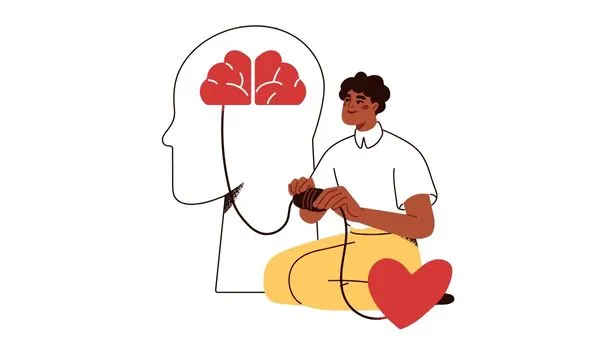
The human brain and body are constantly communicating. When your mind experiences emotional distress, your body responds physically. This disturbance can be seen through your nervous system, hormones, and immune system. Similarly, when your body is unwell, it can negatively affect your mental health.
For example, if you are under stress, your brain releases cortisol, most popularly known as the stress hormone. In small amounts, cortisol also helps you manage challenges. But when stress becomes chronic, high levels of cortisol can contribute to disturbed health, like headaches, digestive problems, high blood pressure, and a weakened immune system. This simply explains that the relation between the two is directly connected. Mental health cannot be separated from physical health. They are two sides of the same coin.
How Stress Affects the Body
Most of us experience stress in our daily lives, like work pressure, financial concerns, or personal challenges. While short bursts of stress are normal, chronic stress can wear down the body in harmful ways.
Here are some physical effects of long-term stress:
- Headaches and migraines: Stress tightens muscles and triggers pain signals in the brain.
- Digestive issues: Many people experience stomach pain, nausea, or irritable bowel syndrome (IBS) flare-ups when stressed.
- Sleep problems: Stress makes it hard to fall asleep or stay asleep, leading to exhaustion and irritability.
- Heart strain: Prolonged stress increases the risk of high blood pressure, heart disease, and stroke.
- Weakened immune system: Stress hormones reduce the body’s ability to fight infections, making you more vulnerable to illness.
It is extremely important to understand how stress affects the body is the first step toward addressing it. Stress management techniques, like exercise, mindfulness, and therapy, can protect your body from long-term damage.
Also Read: How Long Does Therapy Take to Work?
The Impact of Anxiety on Physical Health
Anxiety is not just a worry in the mind. It shows up physically too. For people living with anxiety disorders or high levels of daily anxiety, the body is often in a constant state of “fight-or-flight.”
Some common physical symptoms of anxiety include:
- Racing heart or palpitations
- Shortness of breath
- Dizziness or light-headedness
- Muscle tension and aches
- Sweating and shaking
- Chronic fatigue
Over time, untreated anxiety can raise the risk of cardiovascular disease, gastrointestinal problems, and chronic pain conditions. This is why therapy and self-care strategies are so important. You should focus on addressing anxiety at its root, which helps both the mind and the body heal.
Mental Health and Chronic Illness

The relationship between mental health and chronic illness is a two-way street. On one hand, struggling with a long-term physical condition, such as diabetes, arthritis, or cancer. It can also lead to depression, anxiety, and emotional exhaustion. On the other hand, poor mental health can increase the risk of developing chronic illness.
For example:
- People with depression have a higher risk of heart disease and diabetes.
- Chronic stress is linked to autoimmune conditions and obesity.
- Anxiety can make chronic pain conditions worse.
Living with chronic illness is not just about managing symptoms. It is also about taking care of emotional well-being. Counselling, support groups, and mindfulness practices can help patients feel more in control and improve their quality of life.
Everyday Tips for Balancing Mental and Physical Health
The good news is that you can support both your mind and body with simple, consistent habits. Here are a few strategies that help strengthen the mind-body connection:
- Prioritize sleep – Quality sleep is essential for mood regulation, memory, and physical recovery.
- Move your body – Regular exercise, even gentle activities like walking or yoga, reduces stress and improves energy.
- Eat mindfully – A balanced diet supports brain function and stabilizes mood.
- Practice relaxation techniques – Deep breathing, meditation, or progressive muscle relaxation calms both body and mind.
- Connect with others – Strong social connections reduce stress and improve resilience.
- Seek therapy – Talking to a therapist helps address underlying emotional struggles that may be affecting physical health.
Small, everyday steps build resilience over time. Think of it as training both your mind and body to work together in harmony.
Why Therapy Helps
Therapy is not just about talking through emotions. It is about creating space to notice how your thoughts, feelings, and body are interconnected. Many therapists today use mind-body approaches, such as:
- Cognitive Behavioural Therapy (CBT) – to challenge unhelpful thought patterns that trigger physical stress responses.
- Somatic Therapy – to help clients tune into body sensations and release stored tension from trauma.
- Mindfulness-Based Therapy – to build awareness of the present moment and calm the nervous system.
These approaches help people regulate stress, manage anxiety, and support physical healing by improving emotional balance.
Final Thoughts
The mind and body are not separate. They are deeply linked. Ignoring mental health can harm physical health, while neglecting the body can weigh heavily on the mind. By caring for both, you create a foundation for long-term wellness.
If you have noticed that stress, anxiety, or emotional struggles are showing up in your body, whether through headaches, fatigue, or chronic illness. It may be time to take a closer look at your mental health.
Taking care of your mental health is one of the best ways to protect your physical health. If you are ready to explore this mind-body health connection more deeply, therapy can help. Working with a compassionate therapist in Charlotte gives you tools to manage stress, reduce anxiety, and create balance between your mind and body.
Do not wait until symptoms become overwhelming. Reach out today to start your journey toward better mental and physical well-being.
Related Article: How Therapy Helps You Overcome Anxiety and Stress