

Recognizing the Early Warning Signs of Trauma Now!
The signs of trauma aren’t always visible, and many individuals will suffer in silence without expressing what they are going through. Furthermore, trauma impacts people differently, adding to the difficulty for friends or families to recognize early indicators that someone is struggling. Indicators might manifest as minor changes like sleeping issues, mood changes, and social withdrawal.
At other times, the indicators might be more evident in the form of an emotional breakdown or uncharacteristic fears of certain things. Recognizing these patterns of behavior will enable you to be supportive of someone you deeply care about before the behaviors present an even greater concern to their health.
Understanding Trauma and Its Impact
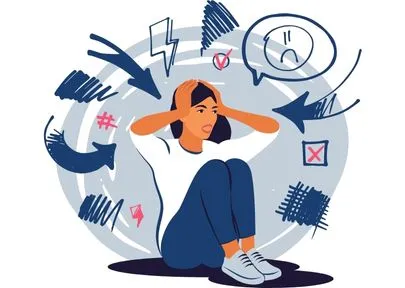
Trauma is the emotional response someone experiences during a deeply distressing or shocking event. This may relate to abuse, loss, accidents, health crisis, neglect, or long-term emotional damage. Trauma does not always manifest right away.
For some, there will be no obvious symptoms,, and then weeks or months later start to show signs of distress. Trauma affects the brain and the nervous system; it can affect a person’s behaviors, thoughts, or feelings. When you know what to look for, you can identify early signs and provide loving, appropriate support.
What Are The Common Signs of Trauma You Should Never Ignore?
When someone you care about goes through something really difficult, you might notice some signs that they’re struggling and wonder if they’re ready to get support. Here are some of the most common things to watch for:
1) Sudden Mood Changes: They may feel suddenly very sad, angry, fearful, or overwhelmed by an emotional event. Their response may seem completely out of proportion to the situation, as small triggers may elicit much larger emotional responses.
2) Isolation from People: One of the earliest signs and symptoms of trauma can be a person pulling away from friends, family, or favorite activities. Trauma can compel people to isolate themselves as they feel they cannot be understood or safe around others.
3) Poor Sleep: Trouble sleeping, nightmares, or waking up throughout the night can be signs of deeper emotional distress. Sleep problems are incredibly common for people who’ve been through trauma and often point to underlying emotional health concerns.
4) Not Able to Verbalize Feelings: A person experiencing trauma may feel emotionally shut down. This may happen for several reasons: they may not know how to explain what’s occurring internally, or they may fear how others will judge them for how they feel.
5) Startled Easily: Feeling constantly on edge, jumpy, or easily startled are common trauma responses. Someone might have an intense reaction to things like a loud noise or small unexpected event that wouldn’t normally cause such a strong response.
Also Read: How to Relieve Stress and Anxiety Naturally
What are Emotional and Behavioral Signs?
Trauma impacts not just emotions, but behaviors and the body as well. Some responses to the trauma are as follows:
- Extreme Shame or Guilt: Your loved one might be blaming themselves for what happened, even when it wasn’t their fault. This kind of self-blame can lead to low self-worth and cause serious, long-lasting emotional harm.
- Mood Swings: They might change rapidly from being calm to angry, or cheerful to upset. This is most likely due to the trauma’s effect on emotional regulation.
- Avoidance Behavior: They might go out of their way to avoid places, people, or conversations that remind them of what happened. At first, this avoidance might be subtle or hard to notice, but over time it usually becomes more obvious.
- Loss of Interest: If they suddenly lose interest in things they used to enjoy—like hobbies, work, or spending time with people they care about—it could mean the trauma is draining their emotional energy.
What Are The Physical and Cognitive Symptoms of Trauma?
Trauma may also manifest in the body or mind. Below are some physical and mental indicators of trauma:
Physical Symptoms
- Headaches or migraines
- Body pain without a medical causation
- Fatigue or low energy
- Digestive difficulties
- Elevation in heart rate or sweating
These physical symptoms arise due to the trauma lingering in the system and activating the body’s stress network in perpetuity.
Cognitive Symptoms
- Difficulty concentrating
- Being forgetful
- Feeling confused/difficulty making decisions
- Feeling detached from reality
The cognitive symptoms are often disregarded as they are more difficult to observe, but they remain a powerful indicator of a person’s internal struggle.
Explain Trauma Bonds and Their Warning Signs
Another significant pattern to be aware of is a trauma bond. Another important pattern to recognize is a trauma bond. This occurs when someone develops an intense emotional attachment within a relationship characterized by a cycle of abuse and affection, creating an unhealthy yet powerful connection that can be difficult to break.
Signs of Trauma Bonding May Look Like:
- Feeling loyal to someone who hurts them.
- Justifying the other person’s harmful behavior.
- Fear of leaving the relationship.
- Blame themselves for the unhealthy dynamic.
How to Support a Loved One Showing Trauma Symptoms?
When helping someone who has experienced trauma, it is important to be patient, compassionate, and non-judgmental. Here are a few things you can do to support them:
- Speak Less, Listen More: Provide a safe space for them to share openly. Do not push them to open up; it may take time for them to feel safe enough to share what they are going through.
- Do Not Downplay Their Feelings: Avoid minimizing their experience by saying things like “it wasn’t that bad” or “you’ll be fine.” These types of responses can create emotional distance and make them feel unheard. Instead, validate and acknowledge their feelings.
- Help Them Engage in Healthy Activities: Encourage healthy activities by inviting them to take a walk, share a meal, or do something calming together. These simple activities can help them feel more grounded and connected.
- Help them to know their triggers: Ask them if they are comfortable talking about what situations or memories lead to feeling unsafe. Understanding triggers can help them feel a greater degree of control.
When Is It Time to Encourage Professional Help?
Sometimes, love and support from family isn’t enough—and that’s okay. Professional trauma therapists are trained to help people heal in safe, structured ways.
You should consider encouraging therapy if your loved one:
- Shows ongoing signs and symptoms of trauma
- Struggles with daily functioning
- Experiences panic attacks or extreme fear
- Is stuck in a trauma bond
- Has stopped enjoying life
- Expresses hopelessness or self-harm thoughts
Final Outcome
Recognizing the signs of trauma in someone you care about is an important way to show support. When you know what to look for—emotionally, mentally, and physically – you can offer help before things get worse.
Trauma can affect anyone, and no one should have to go through it alone. By offering consistent support and encouraging professional help when needed, you can play a meaningful role in helping your loved one move toward healing and emotional well-being.
When someone you cherish exhibits signs of trauma or requires assistance in breaking a trauma bond, seeking professional support could be transformational. Network with caring trauma therapy in Charlotte, NC, providers to facilitate healing, safety, and lasting emotional wellness.
FAQs on How to Recognize Signs of Trauma in Your Loved Ones
1. How do I know if my loved one’s behavior is trauma-related or just stress?
Trauma often shows deeper and more persistent symptoms than regular stress. If you notice long-term emotional changes, avoidance behaviors, sleep issues, or sudden fears linked to a past event, these may indicate trauma rather than everyday stress.
2. Can trauma show up months after the event?
Yes. Trauma does not always appear immediately. Many individuals experience delayed reactions where symptoms surface weeks or even months later, especially after they return to normal routines or encounter reminders of the event.
3. What should I avoid saying to someone who might be experiencing trauma?
Avoid phrases like “Just forget it,” “You’re overreacting,” or “It’s not a big deal.” These statements can invalidate their emotions. Instead, focus on supportive language like “I’m here for you” or “Your feelings are valid.”
4. When should I encourage professional help for my loved one?
You should gently suggest professional support if symptoms affect daily functioning, keep returning, worsen over time, or if your loved one feels stuck, unsafe, or emotionally overwhelmed.
5. Can I help someone heal from trauma without being a mental health professional?
Yes, your role is incredibly important. While you cannot replace therapy, you can help by offering a safe space, listening without judgment, encouraging grounding activities, and supporting their decision to seek professional help when needed.
Related Article: The Connection Between Trauma and the Body