

Understanding Anxiety: Symptoms, Impact, and self-care Strategies
We often think of anxiety as worry or fear. But anxiety is more than just occasional stress before a big event or nerves before speaking in public. It can be persistent, overwhelming, and deeply woven into how we live, relate, and interpret the world around us.
Anxiety is both universal and incredibly personal. Its presence can range from a quiet hum in the background of your day to an intense wave that disrupts sleep, appetite, or even your sense of self. Whether it’s generalized anxiety, social anxiety, panic attacks, or trauma-related symptoms, the experience of anxiety is real and valid. And importantly, it is also manageable.
In this post, we’ll explore the roots of anxiety, what it can look and feel like, how it impacts our relationships and decision-making, and most crucially, how healing is possible through intentional, supportive therapy. If you are seeking anxiety therapy in Charlotte, this guide can be the first step toward reclaiming a sense of steadiness in your body and clarity in your mind.
The Many Faces of Anxiety
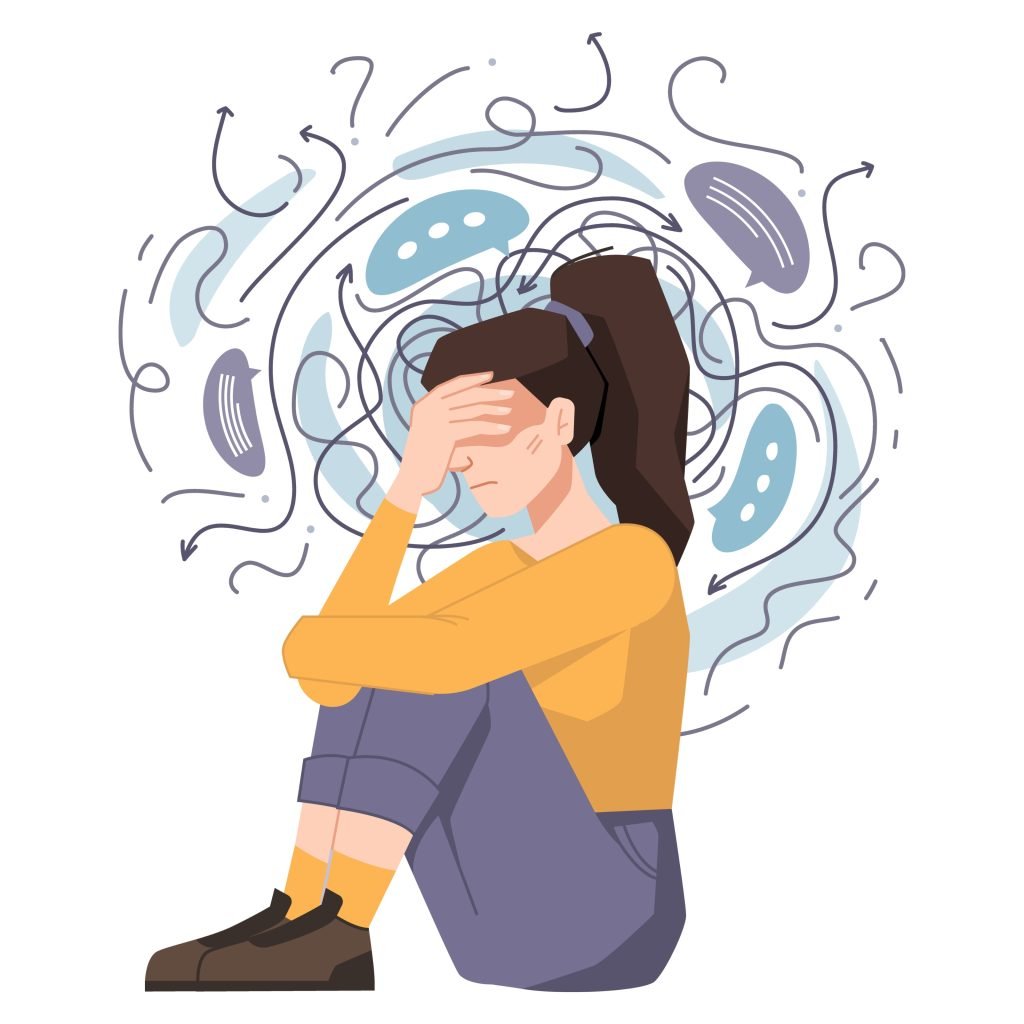
Anxiety doesn’t always show up in the ways we expect. For some, it’s a racing heart. For others, it’s an invisible fog that affects how they think, speak, or connect with others. What’s common, however, is that anxiety brings with it an internal sense of urgency or threat, even when no danger is present.
Here are some of the most common ways anxiety manifests:
- Excessive worrying that feels hard to control
- Difficulty concentrating or feeling present
- Physical symptoms like fatigue, muscle tension, or nausea
- Restlessness or irritability
- Trouble sleeping or waking up with a racing mind
- Avoidance of social settings or fear of being judged
- Panic attacks with symptoms like chest pain, shortness of breath, and dizziness
While these symptoms are part of the body’s natural stress response, they become problematic when they interfere with daily functioning or relationships. If you notice yourself feeling constantly “on edge” or stuck in a loop of what-ifs, you are not alone. Anxiety is one of the most common mental health concerns and also one of the most treatable.
Where Does Anxiety Come From?
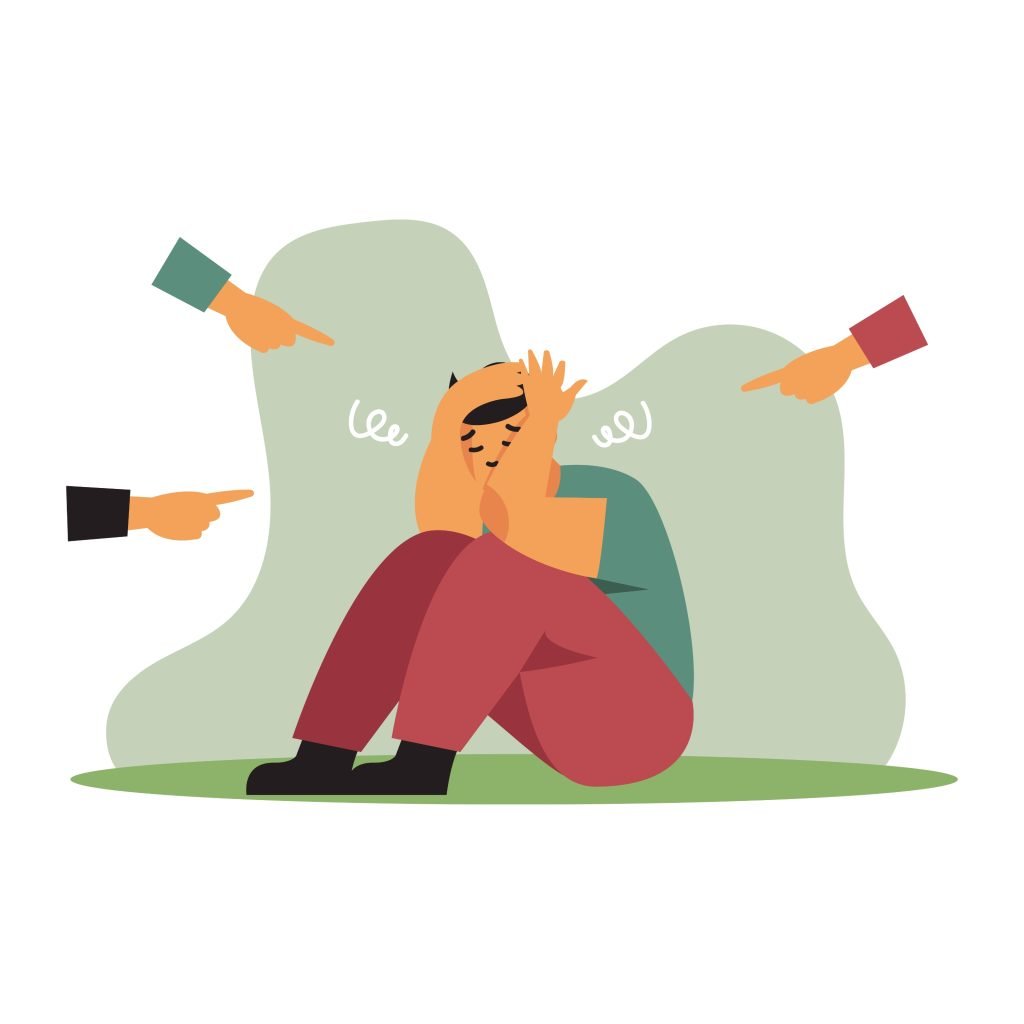
Anxiety is not a personal flaw. It is not a lack of willpower or positivity. Often, it is a learned response to past experiences or a way the nervous system tries to protect us from perceived threats.
Some root causes of anxiety include:
- A history of trauma, especially in childhood or medical settings
- High sensitivity to emotions or sensory input
- Family patterns of anxiety or over-functioning
- Long-term exposure to stress, illness, or instability
- Perfectionism or the fear of disappointing others
For some individuals, anxiety may be connected to a medical condition or hormonal imbalance. For others, it may be linked to relational wounds that have not been fully processed. In my work, especially with clients navigating medical trauma, I often see how unresolved fear can live in the body long after a crisis has passed.
That is why therapy that integrates mind and body awareness is essential. It helps you not only understand your anxiety cognitively but also learn to soothe and work with the body’s deeper responses.
How Anxiety Affects Daily Life
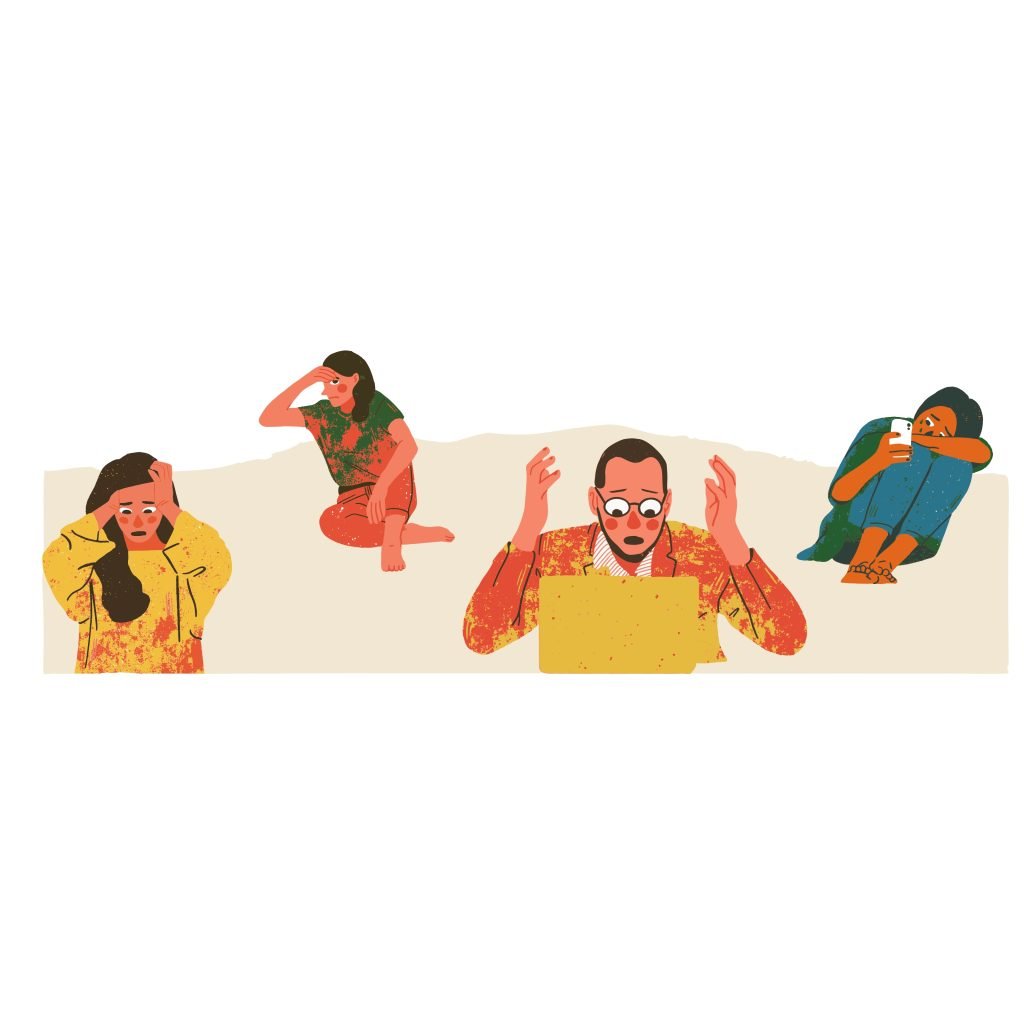
When anxiety goes unacknowledged or unaddressed, it begins to shape everything. It can influence the relationships we choose, how we show up in our work, and even our internal dialogue.
You may find yourself:
- Saying yes when you want to say no, just to avoid disappointing someone
- Overthinking texts, emails, or conversations long after they’ve happened
- Avoiding places, people, or situations that feel uncertain
- Feeling physically exhausted from constantly “bracing” for something to go wrong
- Struggling with body image or eating habits as a form of control
Anxiety can create a false sense of urgency around every decision, leading to burnout or withdrawal. It can also make you feel like you have to be “on” all the time, which leaves little room for rest or joy.
One of the goals in anxiety therapy in Charlotte is to help clients notice and shift these patterns, gently, without shame or force. We begin to explore how anxiety has been trying to protect you, and from there, we build new internal systems rooted in safety, agency, and presence.
What Does Healing Look Like?

Healing from anxiety is not about becoming fearless. It is about learning to feel safe in your own skin, even when life is uncertain. It is about quieting the inner critic, listening to your body, and trusting that you can handle difficult emotions without becoming overwhelmed.
In my work, I take a whole-person approach. That means honoring your lived experience, your body’s wisdom, and the emotional tools that already exist within you. Therapy with me is not just about talking through problems — it is about partnering with your nervous system to rediscover calm, confidence, and connection.
Some of the approaches I integrate include:
- Somatic therapy and nervous system regulation
- Attachment-focused work to understand relationship patterns
- Trauma-informed care including Internal Family Systems therapy, especially for those with medical or relational trauma
- Mindfulness and self-compassion practices
- Exploration of body image through the Health at Every Size framework
This is work that meets you where you are. There is no one-size-fits-all solution. Instead, we walk together at your pace, with your goals in mind.
When Should You Consider Therapy for Anxiety?

You do not have to wait until things fall apart to reach out. Therapy can be a proactive step toward better mental health, stronger relationships, and a more spacious internal world.
Consider seeking therapy if:
- Anxiety interferes with your work, relationships, or sleep
- You find yourself constantly overthinking or second-guessing
- You feel stuck in patterns that no longer serve you
- Your body feels tense or on alert even when things are “fine”
- You want to feel more grounded, confident, and connected
Beginning therapy is not a declaration of brokenness. It is an act of self-respect. And finding the right therapist — someone who understands your context and holds your story with care — can make all the difference.
If you are considering anxiety therapy in Charlotte, know that you are not alone and you do not have to figure it out all at once. Therapy is a space to explore, reflect, and grow in a way that feels rooted in compassion and curiosity.
Conclusion: You Are Not Your Anxiety
Anxiety is something you experience — not who you are. Beneath the tension and overwhelm, there is a steady self that longs to feel safe, connected, and alive. Therapy is not about fixing you. It is about helping you reconnect with that part of yourself that already knows how to heal.
Whether you are navigating anxiety after a medical event, struggling with body image, or feeling overwhelmed by everyday stress, you deserve care that honors your complexity. You deserve to feel heard. You deserve a plan that is shaped around your needs, not someone else’s idea of progress.
“If you are looking for a safe, thoughtful space to begin this work, I invite you to explore anxiety therapy in Charlotte. There is support available, and you do not have to walk this path alone.”
Schedule your first consultation today!
Warmly,
Montgomery Counseling Group
Frequently Asked Questions; Understanding Anxiety Disorders
1. How do I know if I have anxiety or if I am just stressed?
Stress is usually tied to specific events or tasks and tends to resolve once the situation changes. Anxiety is often more persistent and may appear even when there is no clear trigger. If your symptoms interfere with daily life, therapy can help you clarify what you are experiencing.
2. What does anxiety therapy with Our therapists typically look like?
Therapy with us is individualized and trauma-informed. It includes talk therapy, body-based techniques, mindfulness, and psychoeducation tailored to your unique experiences and goals.
3. Can anxiety therapy help with physical symptoms like fatigue or insomnia?
Yes. Many physical symptoms of anxiety are tied to nervous system dysregulation. Through therapeutic work, we focus on calming the body and creating habits that support restful sleep and sustained energy.
4. Is anxiety therapy only for people with a diagnosis?
Not at all. Therapy is for anyone who wants to understand themselves better and feel more grounded. You do not need a diagnosis to benefit from supportive, skilled care.
5. What is the first step to starting anxiety therapy in Charlotte?
You can begin by scheduling a consultation call. This is a space to ask questions, share a bit about your experience, and determine if the therapeutic relationship feels like a good fit.
6. Does Our therapists accept clients with trauma or medical anxiety?
Absolutely. Our therapists specialize in supporting clients who have experienced medical trauma, chronic illness, or caregiving roles. Her approach is gentle, informed, and centered around your story.
7. How long does therapy usually take to start feeling better?
It varies for each person. Some clients feel shifts within a few sessions, while others may take longer. What matters is that the pace honors your comfort and goals. Healing is not linear, and you are allowed to take your time.
Related Articles:
Finding the Right Anxiety Therapist in Charlotte, NC
Overcoming Social Anxiety: Therapy Approaches That Support Confidence