

Children don’t always have the words to express what’s in their hearts and minds. But they do have a natural language: play. Play Therapy takes this instinctive behavior and transforms it into a powerful therapeutic tool, helping children navigate emotional challenges, process trauma, and build self-confidence.
At Montgomery Counseling Group in Charlotte, our expert Play Therapists, Michelle Daley is dedicated to creating safe spaces where children can heal and thrive. Let’s dive into why Play Therapy is one of the most effective methods for supporting children’s mental health.
What is Play Therapy?
Play Therapy is a specialized form of psychotherapy designed for children. Unlike traditional therapy, which relies on verbal communication, Play Therapy allows kids to express themselves through play—a natural, comfortable medium for them.
Through toys, games, art, and storytelling, therapists help children:
- Process emotions they may not fully understand.
- Explore their thoughts in a non-verbal way.
- Build resilience and coping mechanisms for challenges they face.
Play Therapy isn’t just about playing—it’s about understanding, growth, and healing.
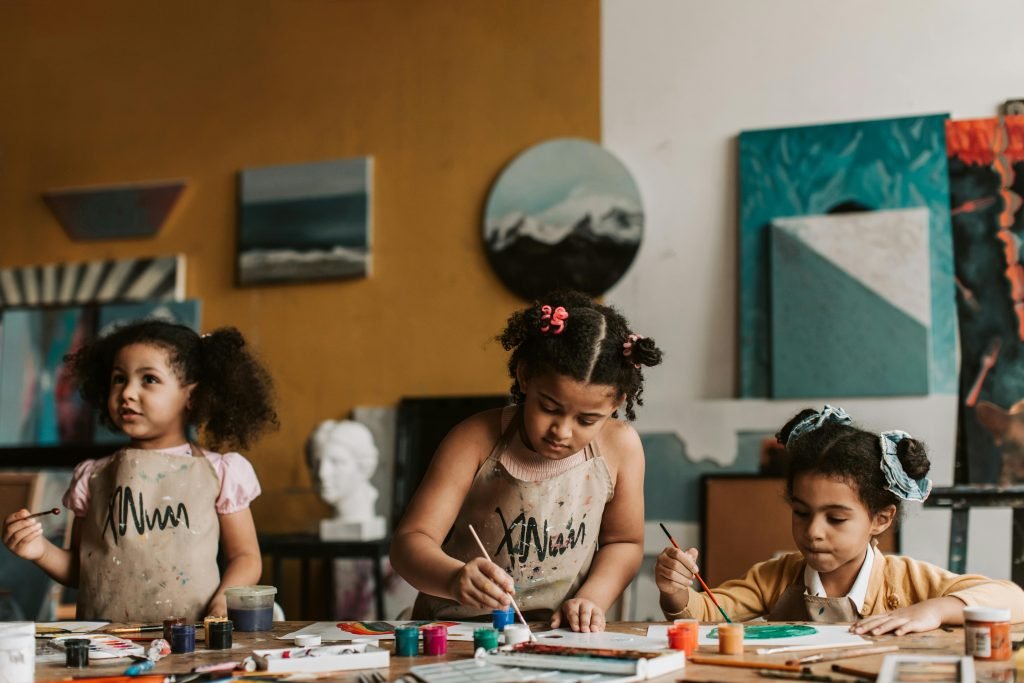
Why is Play Therapy So Effective?
For children, play is how they make sense of the world. It’s where they feel free to express emotions, experiment with solutions, and create their own narratives. When guided by a trained therapist, play becomes a safe, structured environment for healing and development.
Key Reasons Play Therapy Works:
- Non-Verbal Communication: Play gives children a way to express feelings they may not have the vocabulary to articulate.
- Safe Exploration: Children can process difficult emotions or past trauma without fear of judgment or pressure.
- Empowerment: By solving problems through play, children build self-esteem and confidence.
- Tailored to Each Child: Play Therapy meets children at their developmental level, making it an accessible and effective approach for all ages.
The Transformative Benefits of Play Therapy
Play Therapy is an evidence-based approach with significant benefits for children’s mental health. Here are some of the key areas where it makes a difference:
1. Emotional Healing
Through play, children can safely process emotions like anger, sadness, fear, or confusion. It’s especially helpful for those dealing with anxiety, grief, or the aftermath of trauma.
2. Trauma Recovery
For children who’ve experienced trauma—whether it’s family conflict, loss, or bullying—play offers a way to navigate their emotions and rebuild a sense of safety and control.
3. Behavioral Improvements
Play Therapy helps children develop healthier ways to express their emotions and manage stress, reducing behavioral outbursts or withdrawal.
4. Improved Relationships
Children learn skills like empathy, communication, and conflict resolution, which enhance their relationships with family and peers.
5. Boosted Self-Confidence
As children overcome challenges during play sessions, they gain a stronger sense of self-worth and the belief that they can handle life’s difficulties.

Who Can Benefit from Play Therapy?
Play Therapy is designed for children of all ages and is particularly effective for those facing:
- Anxiety: Helping kids manage fears and worries in a supportive space.
- Depression: Encouraging emotional expression and building resilience.
- Trauma: Processing difficult experiences in a safe, guided environment.
- Behavioral Challenges: Teaching self-regulation and coping skills.
- Social Struggles: Improving interactions with peers and family.
If your child is struggling emotionally or behaviorally, Play Therapy could be the key to unlocking their potential.
What Happens in a Play Therapy Session?
A typical Play Therapy session is designed to feel natural and comfortable for the child while being strategically guided by the therapist. Here’s what to expect:
- Warm Welcome: Children are greeted with a room full of carefully chosen toys, games, and art supplies.
- Playful Interaction: The therapist observes and participates in the play, identifying themes that reflect the child’s emotional state.
- Guided Growth: Over time, the therapist introduces tools and strategies to help the child process emotions and solve problems.
- Parental Involvement: Parents may be included in the process, learning ways to support their child’s progress at home.
Why Choose Play Therapy in Charlotte?
At Montgomery Counseling Group, our therapists specialize in helping children overcome challenges using Play Therapy. We understand that every child is unique, and our personalized approach ensures they feel safe, understood, and supported.
Here’s what sets us apart:
- Child-Centered Care: We meet children where they are, using play as a bridge to build trust and connection.
- Trauma-Informed Approach: Our therapists are trained to support children who’ve experienced difficult or traumatic events.
- Proven Techniques: Play Therapy is backed by research and has been shown to improve children’s emotional well-being and relationships.

Take the First Step Toward Healing
Watching your child struggle emotionally or behaviorally can feel overwhelming, but you don’t have to face it alone. Play Therapy offers a compassionate, effective way to help your child thrive.
Schedule a session with Michelle Daley at Montgomery Counseling Group today. Let’s make play the way to a brighter future.