
j. michelle daley, LCMHC | MONtgomery Counseling group
Empowering Children Through Play Therapy with Michelle Daley, LCMHC
Compassionate, trauma-informed play therapy in Charlotte, tailored for children and adolescents navigating anxiety, school-related stress, self-esteem struggles, and peer relationship challenges.
j. michelle daley, LCMHC | Play Therapist in Charlotte, NC | Montgomery Counseling group
Empowering Children Through Play Therapy with Michelle Daley, LCMHC
Compassionate, trauma-informed support from an experienced play therapist in Charlotte, tailored for children and adolescents navigating anxiety, school-related stress, self-esteem struggles, and peer relationship challenges.
LPC, B.A. in Psychology, M.A. in Mental Health Counseling from Capella University
Understanding Play Therapy in Charlotte
Children don’t always have the language to describe internal distress, but they possess an innate ability to express it through play. When a child struggles with school avoidance, aggression, or withdrawal, these are rarely “bad behaviors.” They are often the only way a child knows how to communicate that something feels unsafe or overwhelming.
Michelle Daley is a therapist at Montgomery Counseling Group who specializes in working with children and adolescents. She provides a structured, safe environment where play becomes the primary vehicle for communication and resolution.
For children between the ages of 3 and 11, play is not a diversion from therapy; it is the therapy. In Michelle’s practice, toys, art, sand trays, and games function as the child’s words.
Through both directive and non-directive play, Michelle helps children externalize their internal world. This process builds essential brain pathways for emotional regulation, flexibility, and empathy. By engaging in carefully guided scenarios, children can process life experiences that they cannot yet put into sentences.
Play therapy is recognized by the American Psychological Association (APA) as an effective approach for children navigating emotional and behavioral challenges. Research consistently shows that structured play-based work helps young people develop the internal tools they need to manage big feelings over time.
Adaptive Strategies and Emotional Regulation
Michelle works with children and their families to navigate a variety of challenges, including:
Attachment and Relational Stress: Strengthening the bond between caregivers and children.
School Adjustment: Addressing the roots of school avoidance and peer conflict.
Big Emotions: Developing tools to manage high-intensity responses like anger, grief, or anxiety.
- Developmental Support: Tailoring therapeutic interventions to meet the child at their specific developmental stage.
Michelle is an EMDR Trained Clinician and is trained in Play Therapy. She often integrates Eye Movement Desensitization and Reprocessing (EMDR) to help young clients process distressing events by reducing the emotional intensity of those memories.
She also works with children who experience ADHD and autism, approaching each child’s profile as a set of strengths to build on rather than behaviors to correct. If your child has received a diagnosis and you’re looking for a play therapist for kids who understands neurodevelopmental differences, Michelle brings both the clinical training and the patience that work requires.
What Sets a Registered Play Therapist in Charlotte Apart
Not every therapist who works with children uses play as a clinical tool. Play therapy is a distinct, structured approach built on decades of child development research and requires specific training beyond a general counseling license.
Michelle holds a Master’s degree in Mental Health Counseling from Capella University and is a Licensed Clinical Mental Health Counselor (LCMHC) in North Carolina. She is trained in both EMDR and Play Therapy, and she is also a certified Youth Mental Health Specialist. That combination of training means she can meet a child at whatever stage they’re in, whether that’s using puppets and Lego play at age five or working through social dynamics with a teenager.
Her six years of direct clinical work with young people gives her a feel for what actually moves a child forward vs. what keeps them stuck. That practical depth is harder to teach than any technique.
Michelle also recognizes that the most sustainable progress happens when parents are active participants. She works closely with caregivers, providing consultations and joint sessions to ensure that the strategies learned in the playroom translate to the home environment. As a Navy Veteran, Michelle brings a grounded perspective on resilience and the importance of family stability during times of transition.
Why Families Looking for a Play Therapist in Charlotte Choose MCG
Montgomery Counseling Group’s office is located at 4108 Park Road in Charlotte, NC. The practice serves children, adolescents, and families from across the Charlotte metro area, and Michelle’s approach to working with young people is part of what makes MCG a place families return to.
What families consistently describe is a sense that their child was treated with genuine respect. That their concerns were heard without minimizing. And that the work done in the room actually carried over at home. That’s the combination Michelle and the MCG team work toward.
If you’re a play therapist for kids search away from getting started, the first step is a free consultation. You can learn more about rates and insurance or reach out directly to ask whether Michelle’s availability and approach are a fit for your child.
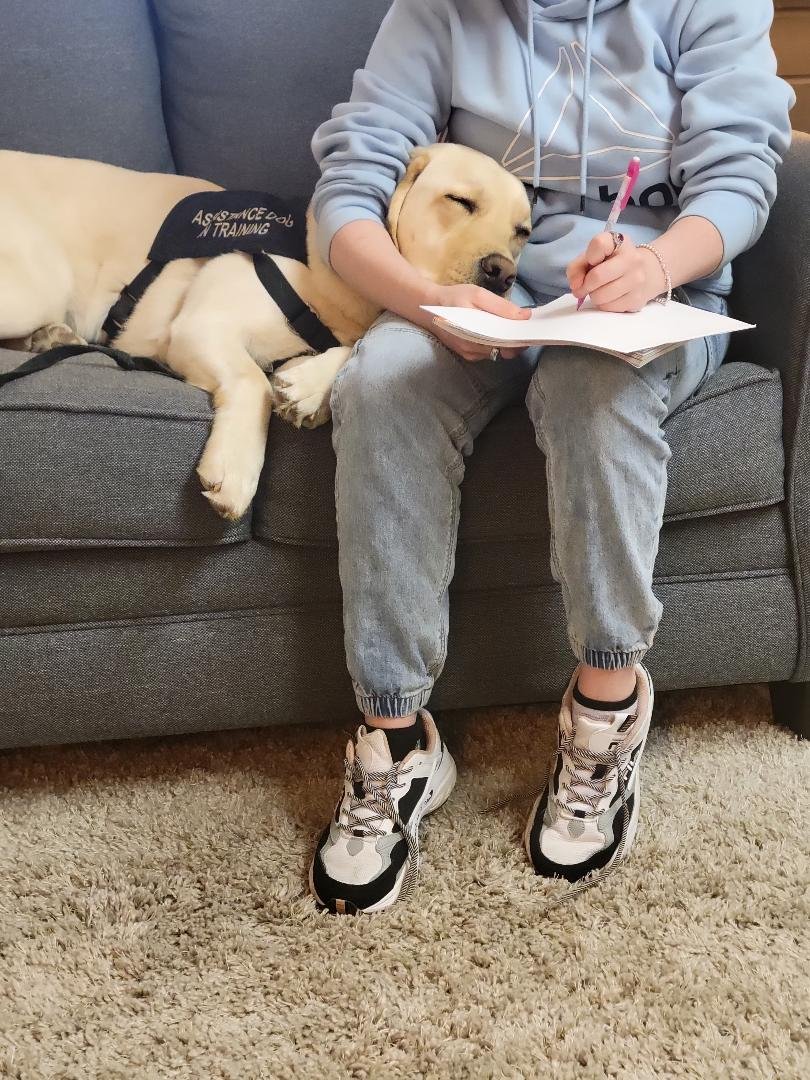
Creative Play Therapist in Charlotte
Why Choose Therapy with Michelle?
Michelle Daley, LCMHC, is a therapist at Montgomery Counseling Group in Charlotte, NC, working with children and adolescents. She creates a warm, child-centered space where young people feel safe to express what they are carrying and begin to build the emotional skills that support long-term wellbeing. An EMDR Trained Clinician trained in Play Therapy, Michelle draws on EMDR, play therapy, and person-centered approaches to meet each child where they are.
A Navy Veteran, she brings a grounded understanding of resilience and the strength families carry through difficulty. Michelle works closely with parents throughout the therapeutic process, believing that the most meaningful progress happens when the people who love a child are part of the journey.
Frequently Asked Questions
How does Play Therapy help my child?
Play therapy allows children to express themselves in their most natural language. It helps them make sense of their experiences, develop new coping strategies, and build the emotional skills required for long-term wellbeing.
What is the parent's role in therapy?
At MCG, we believe parents are the experts on their children. Michelle involves parents throughout the process, ensuring you understand the themes emerging in play and how to support your child's growth at home.
Is EMDR safe for children?
Yes. EMDR is a research-supported approach used to help children process distressing memories. It uses gentle bilateral stimulation to support the brain's natural processing, making difficult memories feel less overwhelming over time.
How do I know if my child needs a play therapist in Charlotte, specifically?
If your child is struggling to talk about what they're feeling, if their behavior has changed at school or at home, or if they've been through something distressing and you're not sure how to help them process it, a consultation with a trained play therapist can clarify the right path forward. You don't need a diagnosis to begin. You just need a concern and a willingness to show up.
Does Michelle work with children who have ADHD or are on the autism spectrum?
Yes. ADHD and autism are among the areas Michelle has direct experience working with. Her approach doesn't frame these as problems to fix. Instead, she focuses on what each child needs to build their own emotional toolkit, at their own pace and in their own way.
What can I expect in the first session?
Yes. ADHD and autism are among the areas Michelle has direct experience working with. Her approach doesn't frame these as problems to fix. Instead, she focuses on what each child needs to build their own emotional toolkit, at their own pace and in their own way.
Do you offer telehealth for play therapy?
Some aspects of the therapeutic work can be adapted for a telehealth format. Michelle can discuss what's possible given your child's age and specific needs during a free consultation.