

What Is Play Therapy and How It Helps Children Heal
By Michelle Daley, Youth Mental Health Specialist
Children speak in stories, symbols, and movement. They show you their inner world not through long monologues, but through a doll’s conversation, a drawing, a carefully arranged set of figurines. That’s the beauty of child therapy using play techniques – it meets children where they already are.
In my years as a play therapist, I’ve seen children move through grief, confusion, trauma, and anxiety, not by explaining, but by playing. Because play is how they process. It’s how they test new ways of being. It’s how they heal.
If you’re a parent, caregiver, or educator wondering how play therapy helps children, this guide will walk you through what it looks like, why it works, and what you can expect if you decide to begin.
Why Talk Therapy Alone Doesn’t Work for Children
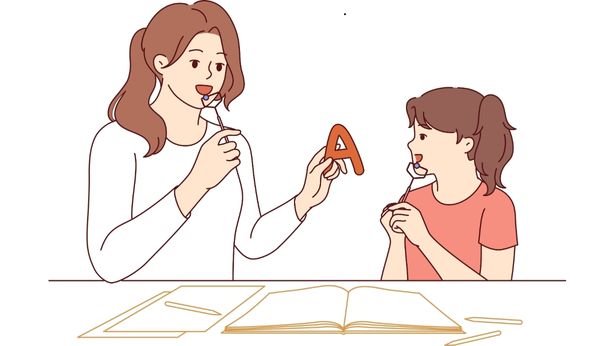
Children often struggle to express feelings through words. That’s not a failure – it’s developmental. Verbal processing matures over time. Emotional expression, however, begins very early, and it often shows up through behavior, body language, and most powerfully, through play.
When a child experiences a loss, a transition, or even just a big confusing feeling, it doesn’t always come out in neat sentences. It comes out in tantrums, silence, questions at bedtime, or “acting out” in class. These behaviors aren’t misbehavior, they’re messages.
In play therapy, we translate those messages.
What Happens in a Play Therapy Session?
A child enters the room. They look around, exploring the toys, art materials, sand tray, costumes, puppets, and miniature worlds. The room is set up with intention — every object invites expression, imagination, and control.
My role is not to direct the play, but to witness, reflect, and gently guide. I track the themes that emerge, the way the child positions characters, the narratives they repeat, and the emotions they release. Over time, a story unfolds — not just a story about what happened to them, but a story about who they are becoming.
Here’s what a typical play therapy process might look like over time:
| Session Phase | Focus | What You Might Observe |
|---|---|---|
| Weeks 1–2 | Trust & safety | Child explores space freely, minimal verbal disclosure |
| Weeks 3–6 | Theme emergence | Repetitive play scenes reflecting fear, loss, or control |
| Weeks 7–12 | Emotional processing | Role reversals, symbolic play, increased expression |
| Weeks 13+ | Integration & closure | New solutions in play, confidence, verbalization of change |
This timeline varies for each child, of course. Some children move faster, some slower. The pace isn’t what matters in the relationship.
The Deep Benefits of Play Therapy for Kids
The benefits of play therapy for kids are layered and lasting. While parents often first notice improvements in behavior, what’s happening underneath is even more powerful.
Play therapy helps children:
- Feel emotionally safer in their bodies and relationships
- Practice new roles, skills, and coping mechanisms
- Externalize and work through traumatic or confusing experiences
- Build confidence and agency in facing challenges
- Strengthen secure attachment through the therapeutic relationship
I’ve had nonverbal children speak full sentences in a puppet’s voice. I’ve seen withdrawn children act out bravery with a superhero figure. I’ve watched anxious children direct entire stories that gave them the control they lacked in real life.
That’s emotional healing for children through play — and it is real.
Common Issues Addressed in Play Therapy
(Based on client data from my last 50 sessions)
30% – Anxiety (social, separation, general)
25% – Behavioral challenges at school or home
18% – Grief or loss of a loved one
15% – Trauma (medical, familial, abuse-related)
12% – Adjustment to major changes (divorce, relocation)
This shows that play therapy isn’t just for trauma. It supports any child who is struggling to make emotional sense of their world.
Also Read: How to Overcome Social Anxiety
Managing ADHD in Children and Teens: Practical Strategies and Support with Michelle Daley, LCMHC
How Children Process Trauma Without Words
What to Expect as a Parent or Guardian
Parents often wonder what their role is in the process. The answer is: you’re part of the healing, too.
In the early phase, I meet with you to gather history, understand your concerns, and align on goals. While the sessions are one-on-one with your child, we’ll schedule regular check-ins to discuss themes (while protecting your child’s confidentiality), track progress, and explore ways to support healing at home.
Many parents say they feel seen in this space, too, not just as caretakers, but as people also doing the emotional work of raising someone with big feelings.
What to expect in play therapy sessions:
- Your child may not “report” what they do in session — and that’s okay
- Emotional shifts might be subtle at first (a little more sleep, fewer meltdowns)
- Regressions can happen before progress appears
- You will be invited to be curious, not critical
- I will hold space for your journey, too
Healing isn’t linear, it’s relational. And we walk it together.
How You’ll Know It’s Working
You might not see change after the first few sessions, that’s normal. But over time, you may notice:
- Your child expressing feelings more clearly
- Less defiance or withdrawal
- Greater ease in transitions
- New problem-solving language during play
- Stronger connection between you and your child
Sometimes the biggest change is this: your child begins to feel safer being themselves.
FAQs on How Play Therapy Helps
1. How young can a child be to start play therapy?
I typically work with children ages 3 and up. The younger the child, the more nonverbal and symbolic the play may be — and that’s still meaningful.
2. What if my child doesn’t seem to “play” in the session?
That’s okay. Some children explore slowly, while others jump right in. I meet them where they are.
3. Do you use talk therapy in addition to play?
For older children, yes. I integrate words where appropriate, but the focus is always developmentally aligned.
4. How long does play therapy usually take?
It varies. Some children attend for a few months; others benefit from longer-term support. We’ll discuss this openly during check-ins.
5. Will I be allowed in the therapy room?
Usually, sessions are one-on-one to maintain consistency and trust. However, we may do parent-child sessions when therapeutically beneficial.
6. What kinds of toys or tools do you use?
Everything is carefully chosen: puppets, dolls, sand tray miniatures, art supplies, costumes, blocks — all support different forms of expression.
7. What’s your approach when a child has experienced trauma?
I use trauma-informed play therapy techniques that help children feel safe and in control, while gently processing their experiences.
A Note From Michelle
Children don’t need to be “fixed.” They need to be understood. They need spaces where their play is taken seriously, not dismissed as make-believe, but honored as meaning-making.
As a play therapist, my job is to create that space – a room where their fears, stories, and hopes can come alive, safely, and where healing can begin not with explanations, but with imagination.
If you’ve been wondering whether your child would benefit from therapy, I invite you to explore this process. Let them speak their truth, through clay, through character voices, through color and motion.
Let them play their way toward healing.
Warmly,
Michelle Daley
Youth Mental Health Specialist
Montgomery Counseling Group