
How Therapy for Childhood Trauma Can Help
By Michelle Daley, Youth Mental Health Specialist
Some children carry enormous stories inside them — stories they don’t have the words to tell. Maybe because they’re too young. Maybe because it hurts too much. Maybe because they were never taught that their feelings mattered.
But those stories don’t disappear. They show up in tantrums, withdrawal, nightmares, tummy aches, and drawings that don’t quite make sense at first glance.
As a play therapist, I’ve learned to listen in a different language — the language of play. In this post, I’ll share how play therapy helps children with trauma, especially when talking isn’t an option. Because children don’t always tell us how they feel. They show us — if we’re paying attention.
Trauma in Children Doesn’t Always Look Like What You’d Expect
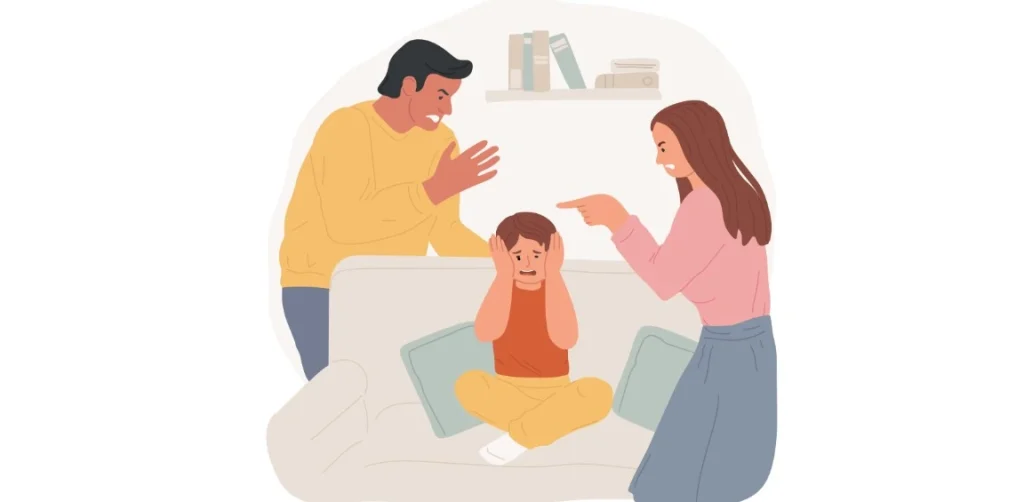
Trauma isn’t always the big, obvious events. It can be a sudden move, a scary hospital stay, a parent’s divorce, or witnessing adult conflict that made them feel unsafe. The nervous system doesn’t care whether something was “supposed to be traumatic” — it responds to what felt overwhelming and out of control.
Here’s how trauma often appears in children:
| Age Range | Common Nonverbal Expressions of Trauma |
|---|---|
| Ages 3–6 | Repetitive play, regression (baby talk, bedwetting), fear of separation |
| Ages 7–10 | Aggression during pretend play, control themes, nightmares, stomachaches |
| Ages 11+ | Isolation, sarcastic or “numb” behavior, loss of interest in play or friends |
These are just patterns — not diagnoses. But they remind us that when children are hurting, they often don’t say, “I’m anxious” or “I feel abandoned.” Instead, they say, “My stomach hurts,” “You don’t love me,” or nothing at all.
That’s where nonverbal trauma therapy for kids comes in.
Why Play Works When Words Don’t
Children process trauma differently than adults. They don’t rehash it in conversation. They re-enact it in play. They create a safe distance through imagination. A dollhouse becomes a world where they are in control. A puppet can say what they’re not ready to. A sword fight might release a fear they can’t name.
In my playroom, no words are required — but communication never stops. Over time, therapeutic play for emotional healing allows them to:
- Reclaim a sense of safety and power
- Test boundaries and attachment
- Reconnect with feelings through symbolic expression
- Externalize fear and anger safely
- Try out new endings to painful stories
It’s not always tidy. It’s not always obvious. But it’s always meaningful.
What Happens in Trauma-Informed Play Therapy?
In my sessions, the environment is carefully designed to foster safety, control, and trust. This includes:
- Open-ended toys (blocks, figures, animal sets)
- Costumes and masks
- Drawing supplies and sensory materials
- Puppets, storybooks, and play kitchens
- Sand trays and small-world figurines
We don’t ask children to explain. We watch, we reflect, and we enter their world gently. Over weeks or months, certain themes emerge: monsters, rescues, hiding, destruction, rebuilding.
These aren’t “just stories.” They are rehearsals for emotional mastery. They are replays of what happened, or metaphors for what couldn’t be spoken at the time. This is how child trauma recovery through play begins — not with disclosure, but with discovery.
Common Play Themes Observed in Trauma Recovery
(From my last 100 trauma-informed sessions)
32% – Rescue and protection narratives
21% – Repetitive destruction and rebuilding scenes
18% – Role reversal (child becomes caregiver or hero)
16% – Monster or villain play (externalizing threat)
13% – Escape, hiding, or avoidance-based themes
Also Read: How Prioritizing Mental Health Can Transform Your Life
What Parents Often Ask (And Need to Know)
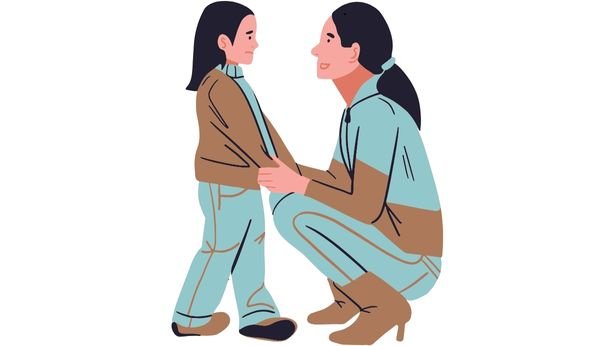
Many parents wonder: “But my child won’t talk about what happened — can they still get better?”
Yes. That’s the entire foundation of this work. Ways children express trauma without talking are everywhere — we just need the tools to understand and respond.
Some other common parent concerns I hear:
“Will I know what’s happening in the sessions?”
We’ll check in regularly. I share general patterns, not play-by-play details, to protect the child’s process while keeping you informed.
“Should I ask them what they did after every session?”
It’s better to let them lead. If they want to share, let them. If not, trust that something valuable happened.
“What if they don’t ‘seem better’ after a few sessions?”
Play therapy works slowly and subtly. Early changes may look like improved sleep, fewer meltdowns, or a return to imaginative play.
How You’ll Know Healing Is Happening
The signs of healing won’t always be loud. Sometimes, a child stops repeating the same “rescue” game. Sometimes, they add a “helper” character to their scene. Sometimes, they draw a happy ending — for the first time.
Other changes you might notice:
- More flexible emotional responses
- Increased ability to express needs
- Decrease in trauma-based behaviors (fear, control, aggression)
- Improved connection with peers or caregivers
- Greater self-regulation during moments of stress
These signs mean the nervous system is beginning to feel safe again. And safety is where healing lives.
FAQs on How Play Therapy Helps Children With Trauma
Q1. Can play therapy really help with serious trauma?
Yes. With a trained trauma-informed play therapist, children can process even early or complex trauma nonverbally and safely.
Q2. How long does trauma-focused play therapy usually last?
It depends on the child and the trauma. Some children need 3–6 months; others benefit from longer support. We reevaluate regularly.
Q3. Is play therapy suitable for older children or preteens?
Yes. While the form of play changes, symbolic and creative expression remains powerful at all ages.
Q4. What if my child’s trauma happened years ago?
Trauma is timeless in the body. Children often revisit trauma themes as their development allows them to process differently.
Q5. Can play therapy be used alongside other treatments?
Absolutely. It often complements family therapy, school support plans, or even medical interventions.
Related Articles:
How Play Therapy Helps Children
Managing ADHD in Children and Teens: Practical Strategies and Support with Michelle Daley, LCMHC
A Note From Me
Children may not remember exactly what was said during a traumatic moment — but they remember how it felt. They carry it in their posture, in their silence, in the themes they repeat again and again.
But I’ve seen what happens when they feel safe enough to play again — not just to distract, but to process. I’ve seen kids who were afraid to touch toys begin to create whole new worlds. I’ve seen children rewrite their stories, not with words — but with movement, imagination, and trust.
Nonverbal trauma therapy for kids isn’t about coaxing the truth out of them. It’s about creating a space where they can find it themselves — and then reshape it.
If your child is carrying something heavy, even if they’re not saying much, I’d be honored to support their healing. Because in play, we don’t just cope. We reconnect, rebuild, and recover.
With care,
Michelle Daley
Youth Mental Health Specialist
Montgomery Counseling Group