

Anxiety & Overthinking Got You Stuck?
Find a Therapist in Charlotte, NC, Who Can Help
By Naila McConnell, LCSWA
If your mind feels like it never stops — if you spend your days spinning in “what-ifs” or nights awake replaying conversations — you’re not alone. Anxiety has a way of making everything feel urgent, uncertain, and out of control. And overthinking? It tricks us into believing we’re solving problems, when really, we’re just exhausting ourselves.
As an anxiety therapist in Charlotte NC, I work with people every day who are brilliant, caring, and incredibly overwhelmed. Not because something is wrong with them — but because their nervous systems are working overtime in a world that doesn’t always make space for slowing down.
If you’re here, reading this, I want to offer both reassurance and a starting point. You don’t have to do this alone. There are tools, insights, and practices that can help. And most importantly — there’s space for your story.
Why Overthinking Feels Safer — Until It Doesn’t
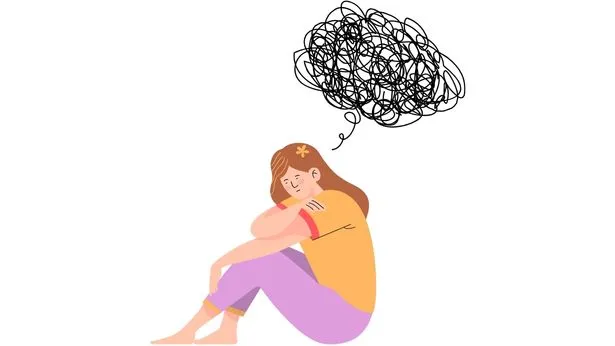
Overthinking often begins as protection. It tries to anticipate danger, prevent regret, and prepare for every possible outcome. But in trying to be ready for everything, we stop being present for anything.
Common experiences include:
- Mentally rehearsing conversations
- Avoiding decisions for fear of making the “wrong” one
- Constant self-criticism or second-guessing
- Trouble sleeping due to mental looping
- Feeling emotionally stuck but unable to stop analyzing
This is what anxiety does — it tells your brain that something is wrong, even when you’re safe. It creates urgency in the absence of threat.
That’s where therapy for overthinking and anxiety comes in — not to “fix” you, but to slow down the storm.
Common Presenting Issues Among Clients with Anxiety
(Based on session data from my caseload at Montgomery Counseling Group)
31% – Panic or physical symptoms
24% – Sleep disturbance or fatigue
19% – Social or performance anxiety
15% – Overthinking & indecision
11% – Generalized worry without clear cause
What Happens in Therapy for Anxiety?
When you begin therapy with me, the first step is safety — not solutions. You’ve likely spent a lot of time managing anxiety alone. So in our work, we create a space where you don’t have to be “on.” You can rest, reflect, and finally be met with calm curiosity instead of urgency.
We explore:
- Where anxiety shows up in your body
- What your mind is trying to protect you from
- How your past may be influencing current fears
- Which strategies (even the ones that don’t seem helpful) have been keeping you afloat
- New practices for grounding and emotional regulation
This isn’t just talk therapy. It’s the nervous system at work. We get to the root — and we move slowly enough to honor the tender parts.
Also Read: When to Seek Family Counseling
Reframing Common Thoughts in Anxiety Therapy
| Overthinking Thought | Therapeutic Reframe |
|---|---|
| “What if I fail?” | “What if this is just a new beginning?” |
| “I can’t relax — something might go wrong.” | “Right now, I am safe. I don’t have to be alert all the time.” |
| “I need to figure this out perfectly.” | “I can learn as I go. Mistakes are part of growth.” |
| “If I let go, I’ll fall apart.” | “I can soften without losing my strength.” |
How Therapy Helps You Regulate, Not Just Rationalize
A big misconception about anxiety is that we can think our way out of it. But most of the clients I see already know their fears are irrational — it’s just that their bodies haven’t caught up.
Therapy focuses on:
- Grounding techniques for emotional regulation
- Gentle exposure to anxious triggers with support
- Somatic awareness and breathwork
- Building a new relationship with uncertainty
- Learning to trust your inner cues, not just avoid discomfort
Over time, we move from simply “managing anxiety” to transforming your relationship with it.
What It’s Like to Work With Me
Therapy with Naila McConnell is calm, collaborative, and client-paced. I don’t have a stopwatch on your healing. We move according to what feels safe and meaningful to you.
Sessions often include:
- Exploring anxious patterns without judgment
- Naming and validating what’s underneath overthinking
- Regulating your nervous system in real time
- Connecting your current challenges to deeper emotional themes
- Practicing rest, boundaries, and intentional slowing down
You’ll never be told to “just relax” — because I know if it were that simple, you would’ve done it already.
When to Reach Out
You don’t need to wait until you’re in crisis to seek therapy. In fact, most people benefit from reaching out before things spiral.
Consider connecting with a therapist if:
- Anxiety is affecting your ability to rest, focus, or enjoy things
- You’re stuck in decision loops and can’t move forward
- You’re constantly self-editing or worrying what others think
- Physical symptoms (tight chest, nausea, headaches) are showing up regularly
- You feel like your mind never shuts off
It’s not about having everything figured out. It’s about having space to breathe.
FAQs on Anxiety & Overthinking
1. Do I need a formal diagnosis to begin therapy?
No. You can start therapy at any time, with or without a diagnosis. If needed, we can explore that together later.
2. Is anxiety therapy only for people with panic attacks?
Not at all. Many people with anxiety never experience panic. Therapy supports all expressions — from quiet overthinking to loud spirals.
3. How long does therapy usually last?
That depends on your goals. Some clients find relief in a few months; others stay longer for deeper work. There’s no one right path.
4. Can I do virtual sessions if I live in North Carolina?
Yes. I offer secure virtual therapy across the state at Montgomery Counseling Group in Charlotte.
5. What’s the difference between talk therapy and anxiety-specific support?
Anxiety work often includes body-based tools, grounding techniques, and cognitive interventions tailored specifically to anxious patterns.
6. What if I feel anxious about starting therapy?
That’s extremely common — and a valid part of the process. We can talk through those feelings gently in the first session.
A Note from Me
Anxiety often convinces us we need to “earn” peace — by being productive, perfect, or constantly prepared. But what I want you to know is this: rest is not a reward. It’s a right. And you deserve a mind that feels like a safe place to live.
As an anxiety therapist in Charlotte NC, I’m not here to make the anxiety vanish overnight. I’m here to help you create a new relationship with it — one where you feel in charge again. One where your thoughts don’t run the show. One where you can feel still, clear, and enough.
If you’re tired of spinning and ready to land, I’d be honored to work with you.
Warmly,
Naila McConnell, LCSWA
Montgomery Counseling Group
If you are looking for a therapy in Charlotte, NC book a consultation today!
Related Article: How Prioritizing Mental Health Can Transform Your Life