

The Power of Mental Health: How It Can Transform Your Life
Therapy is not just for moments of crisis. It is not just for the overwhelmed, the grieving, the heartbroken, or the confused. Therapy is for anyone who wants to know themselves more deeply, heal more fully, and grow more intentionally.
Mental health is not separate from daily life. It is the core of how we connect, relate, create, and respond to everything around us. When you prioritize your emotional well-being, you are choosing to live with more clarity, resilience, and groundedness — in every area of your life.
Whether you’re considering therapy for the first time or returning after time away, this post explores how working with a mental health therapist in Charlotte, NC can support real, sustainable transformation. Because therapy is not just about “fixing” what’s wrong. It’s about discovering what’s possible.
What Therapy Really Offers

Let’s clear something up right away — therapy is not just about venting. It is not about talking in circles or getting “advice.” It is about being met where you are, with curiosity, compassion, and the skills to help you move forward.
A licensed therapist offers:
- A confidential, nonjudgmental space to explore thoughts, emotions, and experiences
- Evidence-based techniques to address anxiety, depression, trauma, and more
- Support in identifying patterns that may be keeping you stuck
- A relationship rooted in trust, reflection, and personal empowerment
People often begin therapy when life becomes too heavy to manage alone. But many stay because of how deeply it changes their relationship with themselves. Therapy gives language to things that once felt confusing. It helps people connect the dots between past and present. And it allows for growth that isn’t just external — it’s internal, embodied, and lasting.
How Therapy Impacts Daily Life

Therapy isn’t just about what happens in session. It’s about what shifts outside of it.
After working with a mental health therapist in Charlotte, NC, many clients report that they:
- Feel more grounded during stressful situations
- React less impulsively and communicate with greater clarity
- Experience improved sleep, concentration, digestion, and energy
- Set healthier boundaries in relationships
- Let go of perfectionism and unrealistic self-criticism
- Begin to trust their own decisions more
Therapy works because it teaches you how to become more emotionally attuned — to listen to what you need, rather than ignore or override it. This skill not only improves mental health but strengthens physical and relational health too. As NIMH notes, when stress and anxiety go unaddressed, they can affect sleep, digestion, and cardiovascular health over time.
Also Read: What Is Anxiety? Understanding Its Impact and How to Manage It
The Power of Being Truly Heard

In a world that often encourages us to “push through,” therapy invites a pause. It offers a space where you can speak without interruption, reflect without judgment, and be witnessed without needing to perform.
This kind of relational safety is not just comforting — it is healing. For many, therapy is the first place where they are allowed to show up as their full selves: flawed, brilliant, grieving, questioning, numb, or overwhelmed. No mask required.
And from that space, change begins.
Who Benefits From Therapy?
The short answer? Everyone. Therapy is beneficial for people of all ages, backgrounds, and identities.
You might consider counseling services in Charlotte, NC if:
- You are navigating grief, trauma, or loss
- You’re going through a life transition (parenthood, divorce, relocation)
- You want to support your child’s emotional growth with
compassionate, developmentally appropriate play therapy tailored to their unique needs - You feel stuck in unhelpful thoughts or habits
- You want to feel more connected to your partner, family, or community
- You struggle with self-worth, perfectionism, or burnout
- You’re ready to explore parts of your identity that have been quieted or ignored
You don’t need to be in crisis to seek support. Wanting a more fulfilling, intentional life is reason enough.
Common Myths About Therapy

Let’s address a few of the big ones.
“Therapy is for people who are broken.” No. Therapy is for people who want to grow. Seeking help is not a sign of weakness — it is a commitment to strength.
“Talking about my problems won’t help.” Research shows that naming and processing emotions reduces their intensity. Therapy is about insight, not rumination. Liven’s guide on how therapy helps overcome childhood trauma explores exactly how this process works for lasting healing.
“It’s too expensive.” Many counseling services in Charlotte NC offer sliding scales, insurance options, or short-term plans. Consider therapy an investment in your long-term health.
“It’ll take forever to see results.” While therapy isn’t an overnight fix, many people feel relief after just a few sessions. It’s not about speed — it’s about sustainability.
How to Find the Right Therapist
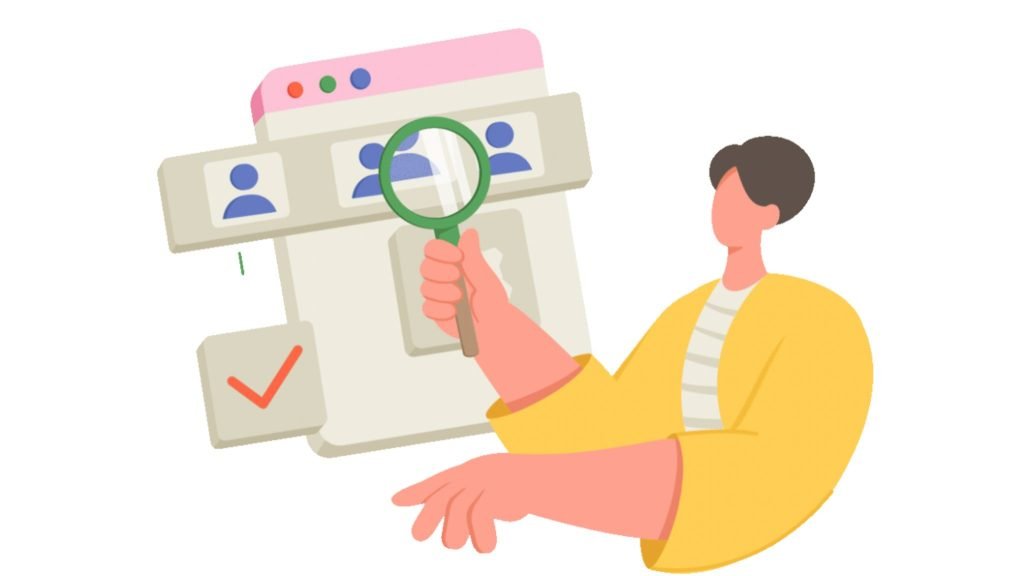
Choosing a therapist is like choosing any other important relationship — it’s about fit. Credentials matter, yes, but so does how safe and seen you feel in the room.
Look for:
- A therapist whose approach aligns with your values and goals
- Someone who is trained in evidence-based methods for your concerns
- A practice that feels inclusive, culturally competent, and identity-affirming
If you are unsure where to begin, start by reading therapist profiles or requesting a free consultation. The first conversation can tell you a lot about whether this is someone who “gets” you. You deserve that.
What to Expect From Counseling Services in Charlotte NC
Whether you’re attending therapy in person or online, the process often begins with an intake session. This is where your therapist learns about your history, what’s bringing you in, and what you hope to gain.
Over time, you may explore:
- Emotional regulation tools
- Attachment styles and how they shape your relationships
- Nervous system awareness and somatic grounding
- Cognitive restructuring for negative thought patterns
- Mindfulness and self-compassion practices
Sessions might include talk therapy, guided exercises, or even creative interventions like narrative work or visualization. The point is to tailor the process to what supports you best.
The Long-Term Benefits of Therapy
People who engage in therapy often report long-term changes that extend beyond the issue that first brought them in.
Benefits include:
- Greater emotional resilience
- Improved relationship satisfaction
- Enhanced focus and productivity
- Better physical health and sleep quality
- Deeper self-trust and authenticity
Therapy helps you build an internal foundation that holds up during life’s hardest moments — and carries you through the good ones with more gratitude and presence.
Conclusion: You Deserve to Feel Better
Mental health is not a luxury. It is a necessity. And therapy is one of the most powerful tools available to support it.
Whether you’re carrying something heavy, feeling a subtle sense of disconnect, or simply wanting to grow in more intentional ways — there is support available. Working with a mental health therapist in Charlotte NC can be the beginning of a new chapter, one rooted in healing, self-awareness, and meaningful change.
If you’re ready to take that step, counseling services in Charlotte NC are here to walk beside you. You don’t have to have all the answers. You just need to be willing to ask the questions.
FAQs on How to Prioritize Mental Health
1. How do I know if I need therapy?
If you’re asking the question, chances are you could benefit. Therapy isn’t only for crisis. It’s for anyone who wants more clarity, emotional health, or support.
2. Is therapy confidential?
Yes. Licensed therapists are bound by strict confidentiality laws, with rare exceptions related to safety.
3. How long does therapy usually last?
That depends on your goals. Some clients attend for a few sessions months, while others stay longer. Therapy is flexible and should be paced to fit your needs.
4. What kinds of therapy are available in Charlotte?
You can find a wide range — cognitive behavioral therapy and trauma-informed care to somatic therapy and mindfulness-based approaches.
5. Can I do therapy online?
Absolutely. Many mental health therapists in Charlotte NC offer secure virtual sessions.
6. What if I’ve tried therapy before and it didn’t help?
Not all therapy experiences are the same. Finding the right fit — in both style and relationship — makes a big difference. It’s okay to try again.
7. How do I start?
Look up counseling services in Charlotte NC and schedule a consultation. It’s a simple, no-pressure way to take the first step.
Related Article:
- When Life Feels Heavy: How Mental Health Therapy Can Help You Find Your Way Forward
- What Happens in Your First Therapy Session?
- Signs Your Therapy Is Working (Or Not)
- How to Prioritize Mental Health — Tips on Taking Care of Yourself
- Benefits of Cognitive Behavioral Therapy
- How a Therapist Can Help Change Your Life
- 10 Common Myths About Psychotherapy
- Counseling in Charlotte NC: Finding the Right Support
- Different Types of Therapy Explained
- What Sets Montgomery Counseling Group Apart
- Understanding Trauma Recovery with Mind-Body Alignment