

Why You Should Continue Therapy Even If It’s Difficult
There’s a moment in therapy—sometimes several—when everything in you wants to run. Not literally, but emotionally. You feel stuck, frustrated, maybe even angry at yourself, your therapist, or the process itself. You wonder if you’re broken, if therapy isn’t “working,” or if it’s just not worth the emotional exhaustion anymore.
I’ve seen it hundreds of times. I’ve also experienced it myself. That tension between wanting to feel better and not wanting to go through what it takes to get there. Therapy, when done right, doesn’t always feel good. Sometimes it feels like walking uphill with no end in sight. But in those moments—especially those moments—it’s worth remembering: this is exactly where healing starts to take root.
Let’s talk about why therapy can feel difficult, and why staying the course often leads to breakthroughs you never imagined possible.
Why Therapy Feels Hard Sometimes
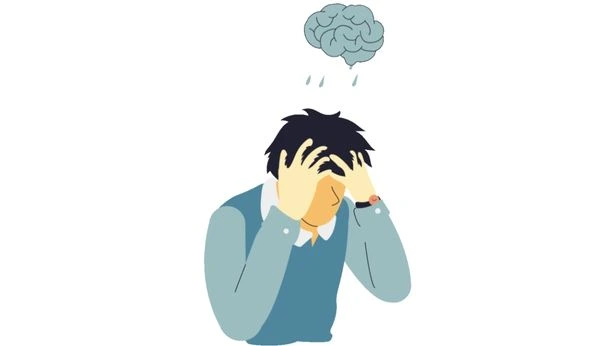
Therapy isn’t just a series of conversations — it’s a deep excavation of self. When you start digging, you’re bound to hit some hard ground. Uncomfortable emotions, past wounds, and patterns that have been built over years start to show up in the room. Not to punish you — but to show you where you’re ready to grow. If you’re feeling overwhelmed by the emotional intensity, practicing emotional regulation exercises between sessions can help you build tolerance for that discomfort.
Many people come to therapy hoping to feel “better” fast. And that’s understandable. But true growth often brings discomfort before relief. It can be disorienting to learn how to sit with grief, anger, or vulnerability without numbing or avoiding it. Our FAQs page addresses many of the common questions people have when the process starts to feel harder than expected.
This is what we call emotional resistance in therapy. It’s your mind’s way of saying, “This is new, and I don’t know how to do it yet.” The goal isn’t to avoid resistance — it’s to understand it.
| Reason Therapy Feels Hard | What's Actually Happening |
|---|---|
| “I’m not making progress.” | You’ve hit a plateau—often a sign change is near. |
| “Talking about this makes me feel worse.” | You’re accessing emotions that were previously buried. |
| “I’m tired of crying every week.” | Emotional release is part of deep healing. |
| “I don’t like my therapist right now.” | The therapeutic relationship is mirroring old patterns or you need something different from them. |
| “Nothing is changing in my life.” | Insight is forming—action takes time to follow. |
The Emotional Arc of Long-Term Therapy
One of the lesser-discussed benefits of long-term therapy is that it gives you enough time and space to actually move through the full emotional arc. Quick fixes can feel relieving in the moment but rarely lead to lasting change. Research on psychotherapy outcomes consistently shows that sustained engagement produces far better long-term results than short-term work alone.
In my experience, therapy tends to follow a subtle curve.
- In the beginning, there’s often hope. You feel seen, maybe for the first time.
- Then comes the hard part — resistance, vulnerability, old wounds resurfacing.
- But over time, a new kind of self-awareness emerges. You begin responding instead of reacting.
- Eventually, integration happens. You learn not just how to cope — but how to live differently. This is often felt as moving from surviving to thriving.
This is why the benefits of long-term therapy are so profound. It allows space for real rewiring of how you think, feel, and behave — not just surface-level advice or mental tricks.
Staying Committed to Counseling
When I founded Montgomery Counseling Group in Charlotte, I envisioned a place where therapy wasn’t a checkbox or a crisis-only tool. I wanted clients to feel that they were part of something deeper — a journey of psychological transformation, emotional resilience, and personal empowerment.
Staying committed to therapy is an act of self-respect. It’s not about pushing through to make your therapist proud. It’s about deciding that your internal world matters enough to keep showing up for it, even when it’s messy.
And yes, there will be moments where it feels like nothing is changing. That’s where we as therapists hold the belief for you, even when you can’t hold it for yourself.
Also Read: How Prioritizing Mental Health Can Transform Your Life
Therapy Challenges and Breakthroughs
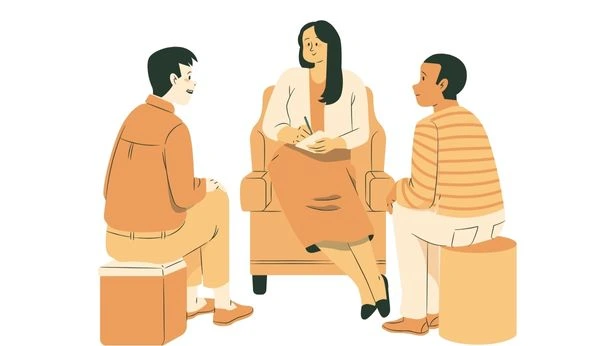
Breakthroughs in therapy rarely look like lightning bolts. More often, they come quietly—realizing you didn’t react the way you used to, noticing you were kind to yourself after a tough day, hearing a loved one say, “You seem more grounded lately.”
Breakthroughs are often born from breakdowns. A difficult session leads to an honest conversation. A conflict you explored in therapy leads to healing with a partner. A pattern you’ve finally named loses its grip.
It’s no exaggeration to say that therapy saves relationships, changes how people parent, shifts generational patterns, and prevents long-term mental health struggles. But it takes work. And commitment.
Not to perfection—but to process.
What to Do When Therapy Feels Too Hard
If you’re in a place where therapy feels like too much, here’s what I recommend. First, talk about it in session. Therapists are trained to hold discomfort. Naming the struggle out loud is often the first step toward relief. You can also track signs of real progress to remind yourself how far you’ve already come — even when it doesn’t feel that way.
Second, reflect on your goals. Sometimes, therapy feels aimless because we’ve lost track of why we started. And if the fit simply isn’t right, know that starting fresh with a new therapist is always an option — not a failure.
Lastly, remember that temporary discomfort is not a sign of failure. It’s often a sign of movement. Like sore muscles after a workout, it means your internal system is adjusting to a new way of being.
Conclusion: The Gift on the Other Side of Resistance
I often think back to a client who once said, “Sticking with therapy was the hardest easy decision I’ve ever made.”
It’s easy to know we need help. It’s harder to stay when the help starts to challenge our old ways of surviving. But that’s the moment healing begins.
Therapy isn’t just about talking. It’s about transforming. And transformation requires staying the course, especially when it’s uncomfortable.
So if you’re on the verge of quitting, pause. Breathe. Recommit.
Let yourself stay long enough to witness the version of you that’s waiting on the other side.
With care,
John Burns, LCSW
Founder, Montgomery Counseling Group
Related Article: How Therapy Helps You Regulate Your Emotions