

How Grief Counseling Helps You Heal
Grief can be easily considered as one of the most painful human experiences. When we lose someone we love, it may be a family member, a partner, a friend, or even a beloved pet. It can be painful, and we may not know how to deal with the sudden feeling of loss. It can feel as though the world has shifted in ways we do not know how to navigate. Grief can show up in many forms. One may feel sadness, anger, guilt, confusion, or even numbness. For many people, these emotions can feel overwhelming, making it difficult to manage daily life.
The truth is, grief does not follow a clear timeline. While some people may begin to feel lighter after a few months, others may carry the weight of grief for years. How one deals with grief and how long it stays is different for everyone. If you find yourself struggling, know that you are not alone, and support is available. Grief counseling for loss is one of the most effective ways to begin healing. Therapy will provide you with a safe space to process your emotions with professional guidance. With therapy, you will find meaning and slowly build a new sense of balance in life
In this blog, we will explore how to recover from grief with counseling and the role of therapy in bereavement recovery. We will also look at how working with our skilled therapists can help you navigate the difficult journey of loss.
Understanding Grief: More Than Just Sadness
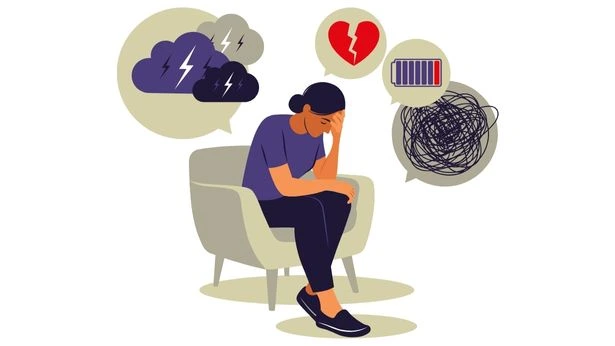
Grief can be experienced in different forms and is often misunderstood. Many assume it is simply about feeling sad, but grief is far more complex. It can include:
- Emotional symptoms such as depression, irritability, guilt, or loneliness.
- Physical symptoms like fatigue, headaches, changes in appetite, or disrupted sleep.
- Cognitive symptoms such as difficulty concentrating or feeling in a fog.
- Spiritual symptoms where you question your beliefs, faith, or sense of purpose.
These reactions are natural. But if you are somebody who feels grief is unmanageable or unending, it is important that you know -therapy can offer much-needed support.
How Counseling Supports Grief Recovery
You may wonder, “Can therapy really help with grief?” The answer is yes. Therapy for grief and loss doesn’t erase the pain, but it helps you carry it in healthier ways.
Here’s how counseling helps:
- Providing a Safe Space to Feel
Many people grieving feel pressure to “be strong” or to “move on” quickly. In therapy, there’s no rush. A counselor provides a nonjudgmental space where you can express anger, sadness, or confusion openly without fear of being told to “get over it.”
- Making Sense of Emotions
Grief can be messy and unpredictable—you may feel fine one day and deeply upset the next. A therapist helps you recognize these patterns, reminding you that grief is not linear. This understanding reduces guilt or frustration about your healing pace.
- Building Coping Strategies
Therapists offer effective tools for bereavement recovery, such as journaling, mindfulness exercises, grounding practices, or guided relaxation. These strategies help regulate overwhelming emotions so you can function day to day.
- Honoring the Loss
Part of grief counseling involves creating ways to honor the memory of your loved one while also moving forward with your own life. This could mean creating rituals, sharing stories, or finding meaning in your connection with them.
- Preventing Complicated Grief
For some, grief becomes prolonged and debilitating, a condition sometimes called “complicated grief.” Therapy helps prevent this by addressing emotions before they harden into patterns of avoidance or despair.
This is why so many people find counseling for bereavement recovery invaluable; it offers guidance while also validating the depth of your loss.
Also Read: Benefits and Drawbacks of Online Therapy for Anxiety
How to Recover From Grief: Steps Therapy Supports therapy for grief and loss
While healing is different for everyone, here are some common steps that therapy helps facilitate:
- Acknowledging the loss – fully recognizing what has happened, rather than suppressing or denying it.
- Allowing emotions – giving yourself permission to feel pain, sadness, and anger without judgment.
- Adjusting to life changes – learning how to live in a world where your loved one is no longer physically present.
- Rebuilding identity and meaning – discovering new roles, routines, and purposes as you move forward.
- Creating ongoing bonds – holding onto the love and memories of your loved one while also continuing to live your own life.
Therapists walk with you through each of these steps, helping you feel less lost and more supported.
Our Approach to Grief Counseling
Our licensed therapists in Charlotte, NC are specialized in helping individuals and couples cope with medical trauma, grief, and relationship challenges. Their approach to therapy is holistic, compassionate, and deeply client-centered.
They integrate multiple evidence-based approaches, including:
- Cognitive Behavioral Therapy (CBT) to address unhelpful thoughts that might worsen grief.
- Somatic Therapy to help release grief-related tension stored in the body.
- Mindfulness-based therapy to calm the nervous system and stay present with emotions.
- Grief Therapy and Self-Compassion techniques that emphasize kindness toward yourself during the healing journey.
They also incorporate the Health at Every Size (HAES) framework and intuitive eating principles when body image concerns intersect with grief. This multi-pronged model reflects her belief that grief recovery involves both the mind and body.
Why Choose Therapy with our Skilled Therapists
They are not only highly trained professionals but also someone with lived experience of trauma and caregiving. This gives them a unique ability to connect with clients in a real and empathetic way.
Here’s what makes overcoming grief with therapy alongside us so powerful:
- Warm, inclusive environment – You’ll feel safe sharing your story without fear of judgment.
- Personalized support – We tailor therapy to fit your unique grief journey.
- Holistic care – Our therapists integrate emotional, mental, and physical practices for full-person healing.
- Empowerment – We help clients find strength and meaning, even in the face of devastating loss.
Clients often describe therapy with us as life-changing because we bring both compassion and practical tools that make the grief journey more bearable.
When to Seek Grief Counseling
You may benefit from grief therapy in charlotte if you:
- Struggle to return to daily life after a loss.
- Feel stuck in overwhelming sadness or anger.
- Avoid reminders of your loved one out of fear of breaking down.
- Experience physical symptoms of grief that disrupt your health.
- Long for a space where you can talk about your grief without being rushed.
Remember, there is no “wrong time” to begin grief counseling. Whether your loss was recent or years ago, support can help you move toward healing.
Final Thoughts
Grief is a deeply personal journey, but you don’t have to face it alone. Therapy for grief and loss offers comfort, understanding, and guidance when life feels unbearable. Through counseling, you can learn how to honor your loved one, rebuild meaning, and move forward while keeping the connection alive in your heart.
With our holistic, compassionate approach, We provide a safe and supportive environment for clients navigating loss. Our work emphasizes both emotional healing and practical coping strategies, helping clients step into life again with strength and resilience.
If you’re struggling after a loss, remember that healing takes time, and support can make all the difference. Grief counseling for loss with our specialists offers a path toward hope and recovery.
Reach out today to begin your journey with therapy for grief and loss. With the right guidance and support, overcoming grief with therapy is possible. We are here to walk alongside you, helping you take each step toward peace and healing.
Related Article: How Long Does Therapy Take to Work?