

What are the Benefits of Cognitive Behavioral Therapy (CBT)?
When life feels challenging and overwhelming, we may end up having thoughts that often spiral into negative patterns. These are termed as unhelpful ways of thinking. These negative thinking patterns can make challenges seem bigger than they actually are. This leaves us stuck in cycles of worry, self-doubt, or sadness. Cognitive Behavioral Therapy, commonly known as CBT, is one of the most widely used forms of therapy. It focuses directly on breaking these cycles and improving emotional, physical, and mental health.
CBT is practical, focused on the goal, and is also backed by decades of research. It is often suggested by experts for people who are struggling with anxiety, depression, stress, and even chronic health concerns. But beyond diagnoses, CBT also helps us learn everyday tools that anyone can use. CBT helps you think more clearly, feel more balanced, and approach life with greater confidence.
In this blog, we will explore the benefits of Cognitive Behavioral Therapy and how CBT helps with anxiety and depression. We will understand its effectiveness for mental health and the practical advantages. By the end of this blog, you will have your answer to what makes CBT such a powerful choice for emotional healing.
What is Cognitive Behavioral Therapy?
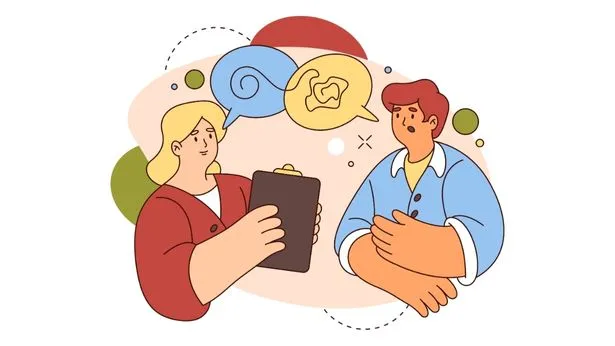
Cognitive Behavioral Therapy is based on a simple but powerful idea. It revolves around the idea that our thoughts, feelings, and behaviors are connected. When we think negatively or have distorted thoughts, it influences how we feel emotionally and how we act.
For example:
- Thought: “I’m going to fail at this project.”
- Feeling: Anxiety, fear, self-doubt.
- Behavior: Avoiding the project, procrastination, or giving up.
CBT helps people recognize these patterns and replace them with more balanced, realistic thoughts. Over time, this leads to healthier emotions and more positive actions.
Cognitive Behavioral Therapy Benefits
- Evidence-Based and Effective
One of the biggest benefits of Cognitive Behavioral Therapy is that it is supported by research. CBT is considered the “gold standard” treatment for conditions like anxiety disorders, depression, PTSD, and OCD. Studies consistently show that it helps reduce symptoms and improve quality of life.
- Short-Term and Goal-Oriented
Unlike therapies that can last for years, CBT is often structured as a short-term treatment. Typically, 12 to 20 sessions. It focuses on practical goals and skills, making it a great option for people who want to see noticeable progress within a clear timeline.
- Teaches Practical Skills for Daily Life
CBT is not just about talking. It is about learning. Clients leave therapy with concrete tools they can use long after sessions end. These skills include identifying distorted thinking, practicing relaxation, improving problem-solving, and developing healthier coping strategies.
- Builds Self-Awareness
By learning to examine your thoughts, CBT increases awareness of how your mind works. This awareness allows you to catch unhelpful patterns early and shift them before they affect your mood or behavior.
- Empowers Independence
CBT is designed to help you become your own therapist over time. Instead of depending on a counselor forever, you build the confidence and skills to manage challenges on your own.
How CBT Helps with Anxiety and Depression
Anxiety and depression are two of the most common reasons people seek therapy and CBT is especially effective in treating both.
Anxiety
When you struggle with anxiety, your mind often jumps to the worst-case scenario. CBT helps you challenge these automatic thoughts and test whether they are realistic. For instance, instead of thinking, “Something bad will definitely happen if I go to that event,” CBT teaches you to reframe the thought to, “I might feel nervous, but that doesn’t mean something bad will happen.”
Over time, this reduces anxious feelings and encourages healthier behaviors like facing fears instead of avoiding them.
Depression
Depression often comes with feelings of hopelessness, guilt, or worthlessness. CBT addresses these by identifying the negative thought patterns that feed them. A therapist might help someone shift from, “I never do anything right,” to, “I’ve made mistakes, but I’ve also accomplished many things.”
By practicing these new thought patterns, people often experience improved mood, motivation, and energy.
Is CBT Effective for Mental Health?
The short answer: yes. CBT is one of the most researched and effective therapies for a wide range of mental health issues. It has been shown to help with:
- Anxiety disorders like panic disorder, social anxiety, phobias, and generalized anxiety disorder
- Depression
- Post-traumatic stress disorder (PTSD)
- Obsessive-compulsive disorder (OCD)
- Eating disorders
- Sleep problems like insomnia
- Chronic pain and health conditions
CBT is also effective for people who don’t have a specific diagnosis but want to manage stress, improve relationships, or gain better emotional balance.
Practical Advantages of Cognitive Behavioral Therapy
What makes CBT stand out from other approaches? Here are some of its most practical advantages:
- Structured sessions: CBT follows a clear plan, so you always know what you are working on.
- Homework and practice: You’ll often get exercises between sessions, which helps reinforce new skills.
- Adaptability: CBT can be tailored to your unique needs and combined with other therapies if necessary.
- Accessibility: Because it is well-studied, many therapists are trained in CBT, and it is often covered by insurance.
- Long-term benefits: Even after therapy ends, many people continue using CBT strategies throughout their lives.
Why Choose CBT for Emotional Healing?
If you are considering therapy, you might be wondering why CBT is such a popular choice. The answer is simple: it works. CBT does not just address surface-level symptoms. It goes to the root of how you think and teaches you to shift those patterns.
Choosing CBT means choosing a practical, empowering, and effective approach to mental health. It gives you the tools to heal from the past, manage the present, and build a healthier future.
Also Read: How Therapy Helps You Regulate Your Emotions
Therapy is an Investment in Yourself
One of the most powerful aspects of CBT is that it helps you take control of your own story. Instead of feeling powerless against anxiety, depression, or stress, you gain the confidence to change your perspective and your life.
Healing takes time, and it is not always easy. But CBT provides a clear roadmap. It is not about perfection, but progress. Every small step you take toward challenging unhelpful thoughts and practicing healthier behaviors moves you closer to lasting emotional well-being.
Therapy with Our Licensed Therapists: A Holistic Approach
When exploring the benefits of Cognitive Behavioral Therapy, it’s also important to find the right therapist who understands your unique needs. Our licensed therapists at Montgomery Counseling Group, offer compassionate, trauma-informed care that integrates CBT with other evidence-based approaches. They take a holistic perspective, combining CBT with Internal Family Systems, Somatic Therapy, Mindfulness-based practices, and Self-Compassion work. This means that while you learn practical CBT tools to manage anxiety, stress, and negative thought patterns, you also benefit from an approach that connects mind and body, honors your lived experiences, and fosters self-acceptance. Her warm and inclusive style creates a safe space for clients to explore challenges while building long-term resilience and emotional well-being.
Take the First Step Toward Healing
If you have been wondering whether therapy could help you, now is the time to try. Cognitive Behavioral Therapy benefits go far beyond managing symptoms. It is about reclaiming your peace of mind, building resilience, and finding healthier ways to navigate life’s challenges.
Ready to begin your journey? Reach out to a CBT-trained therapist today and discover how this practical, empowering approach can support your emotional healing.
Related Article: How a Therapist Can Help Change Your Life