

How Clinical Hypnosis Enhances Mind-Body Connection and Healing
In today’s busy, stressed, and fast-paced world, many of us live in our heads—making it easy to overlook the clinical hypnosis benefits for mind body healing. We are constantly thinking, planning, and worrying about various things altogether. We often forget or neglect the fact that our bodies hold just as much wisdom as our minds. Healing begins when we reconnect the two, allowing both thought and feeling, reason and intuition, to work together. Clinical hypnosis is one of the most trusted approaches that helps bridge this gap between the mind and the body. It can support emotional healing, relieve physical tension, and restore a sense of balance between mind and body.
At Montgomery Counseling Group, popularly known as MCG, this approach is carried out by experts to enable healing. We believe that it is at the heart of how healing unfolds. Led by John Burns, LCSW, a licensed clinical social worker somatic practitioner, and EMDR clinician based in Charlotte, North Carolina, , the practice offers care that’s relational, body-aware, and deeply attuned to how culture, power, and lived experience shape our paths to wellness. John works primarily with adults navigating complex trauma, neurodivergence, dissociation, and identity exploration, helping them rediscover safety and connection in their own bodies.
What Is Clinical Hypnosis?
Clinical hypnosis is a gentle therapeutic technique that helps people reach a calm, internally focused, state. . It takes you to a state where the body relaxes and the mind becomes more suggestible to alternatives It is not about losing control or being “put under.” Instead, it’s about tuning in, allowing the mind to focus deeply, while the body lets go of tension and stress.
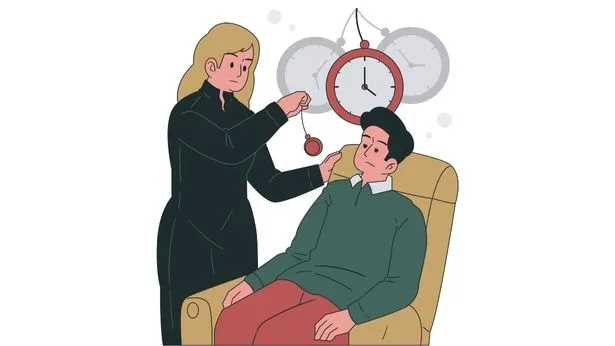
When this state is achieved, it helps clients explore emotions, sensations, or memories in a way that feels safe and grounded. The therapist often uses calming language, imagery, or guided suggestions to help clients. This approach helps them to process emotions, manage pain, or strengthen inner resources.
At MCG, hypnosis is always used within a trauma-informed and holistic framework. It is one of many approaches that support mind-body healing, along with somatic therapy and EMDR.
Read More: What is Clinical Hypnosis? How It Works, Benefits & Risks
How Hypnosis Strengthens the Mind-Body Connection
Our minds and bodies are constantly communicating, even when we’re not aware of it. When we experience trauma or chronic stress, that communication can get disrupted. The body may stay in a state of tension, and the mind may feel disconnected or numb. Clinical hypnosis helps restore this dialogue.
Here’s how:
-
Bringing Awareness Back to the Body
Hypnosis gently guides you into a relaxed state where you can notice sensations without judgment—like warmth, heaviness, or calm. This awareness helps you reconnect with your body’s natural signals, building trust and safety.
-
Balancing the Nervous System
When the mind quiets, the body often follows. Hypnosis activates the parasympathetic nervous system, our body’s “rest and digest” mode. It is also helpful to reduce anxiety, slow the heart rate, and calm the breath.
-
Integrating Emotion and Thought
Many people process emotions cognitively but struggle to feel them. Hypnosis creates a safe space to experience emotions physically, allowing deeper integration. This can reduce emotional reactivity and support long-term regulation.
As John Burns often emphasizes, healing is not just about understanding what happened. It is about allowing the body and mind to move together toward safety and wholeness.
How Hypnosis Improves Emotional Regulation
Emotional regulation means being able to understand and manage your feelings without becoming overwhelmed. Hypnosis helps strengthen this ability by calming the mind and teaching you how to stay present, even during discomfort.
When someone is in a hypnotic state, their brain waves develop a rhythm similar to meditation or deep rest. This allows emotions to surface gently, without the same intensity that might arise in day-to-day life. Clients learn how to observe their emotions rather than react to them.
Over time, this builds emotional resilience, the capacity to stay centered even when facing triggers or stress.
Self-Hypnosis Techniques for Stress Relief
Clinical hypnosis can be practiced with a therapist, but it can also teach you skills you can use on your own. Self-hypnosis is a simple and effective way to calm the nervous system in daily life.
Here’s a short technique you can try:
- Find a quiet space. Sit or lie down comfortably.
- Focus on your breath. Notice the rhythm without trying to change it.
- Visualize calm. Imagine a safe place like a beach, forest, or quiet room. Picture yourself there, feeling peaceful.
- Repeat a gentle phrase. Something like “I am safe,” “I can rest now,” or “My body knows how to relax.”
- Return slowly. When ready, take a deep breath and open your eyes, bringing that sense of calm with you.
Practicing for just a few minutes daily can help reduce tension, improve focus, and create a stronger connection between your mind and body.
The Montgomery Counseling Group Approach
At Montgomery Counseling Group, therapy is never one-size-fits-all. John Burns envisions the practice as a close-knit clinical team that values creativity, compassion, and genuine human connection. Each therapist brings a unique lens to their work, but all share a belief that healing happens through relationship and respect.
- Michelle Daley and Javontae Bradley specialize in supporting children and adolescents.
- Taylor Banner helps individuals, couples, and families navigate life transitions.
- Jennifer Busco blends intuitive healing and yoga-based mindfulness with psychotherapy.
Together, they create an environment where each client’s story is honored. There’s no ideal client here, only real people seeking growth and healing.
At MCG, clinical hypnosis is used not as a trick or shortcut, but as a deeply intentional process that helps clients rediscover their inner capacity for peace and change.
The Real Gift of Clinical Hypnosis
When the mind and body begin to communicate again, healing feels more natural. People start to breathe deeper, sleep better, and respond to life with more balance. They feel more like themselves.
Clinical hypnosis does not erase pain or erase the past. It helps you build a new relationship with yourself. It allows your body to trust your mind again, and your mind to trust your body.
If you are curious about how clinical hypnosis can support your healing. Whether you are navigating chronic pain, emotional overwhelm, or disconnection from your body, remember that reaching out is the first step.
Take the Next Step Toward Healing
Reconnect with your body. Reclaim your calm. Rediscover your strength. Reach out to a licensed trauma specialist at Montgomery Counseling Group to learn how clinical hypnosis can help you restore balance and build lasting mind-body harmony.