
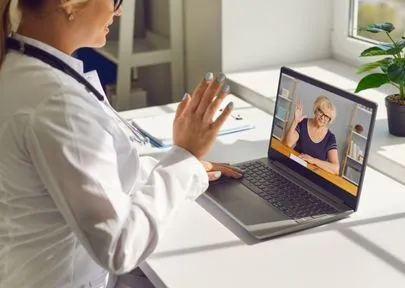
The Rise of Virtual Therapy: How Telehealth Is Reshaping Mental Health Care
The face of mental health treatment has shifted radically over the past few years. Whereas previously sitting with your therapist in an office used to be the norm, nowadays a lot of people are opting for sessions from their living rooms, their vehicles, or even the corner of a park, all because of virtual therapy, or telehealth.
Online therapy has become one of the most significant shifts in how people access emotional support. It is convenient, private, and surprisingly personal. For many, it has made getting help possible for the first time. In this article, we’ll explore how online therapy for mental health works, the benefits it offers, and how Montgomery Counseling Group (MCG) is using telehealth to make compassionate, evidence-based care more accessible to everyone.
What Is Virtual Therapy?
Virtual therapy, or telehealth, is professional mental health counseling done via secure video conferencing, telephone sessions, or even chat platforms. Rather than going to a therapist’s office, clients are able to access their therapist from anywhere they have a consistent internet connection.
Even though it may seem a little different at first, online counseling is governed by the same ethical guidelines and professional standards as face-to-face sessions. You still see a licensed counselor, talk about your feelings and thoughts, and work on what is important to you , just in a different medium.
At Montgomery Counseling Group, the philosophy is simple, healing happens through connection, not location. Whether you are meeting in person or online, what matters most is feeling heard, understood, and supported.
How Online Therapy for Mental Health works
It is easy and done with the goal of comfort and accessibility. Here is what it typically looks like:
- Booking a session: You schedule time just as you would an in-person appointment, but rather than commuting, you get a secure video link or login information.
- Getting some quiet time: Clients are advised to go to a private, comfortable space, somewhere they can talk openly without interruption.
- Beginning the session: Client and therapist connect by video or occasionally audio, catch up with the week, identify challenges, and work on strategies for emotional health.
- Ongoing support: Most sites enable secure messaging between sessions, so clients can check in or ask a question..
MCG therapists employ encrypted platforms to maintain confidentiality and privacy. For individuals for whom getting to a physical location is a barrier, this accessibility can be a game-changer.
Also Read: How to Relieve Stress and Anxiety Naturally
The Benefits of Virtual Counseling
Online therapy offers many of the same benefits as traditional therapy and several unique advantages. Here is why so many people are turning to telehealth:
- Accessibility for All
One of the biggest advantages of virtual therapy is accessibility. People living in rural areas or smaller towns often struggle to find therapists nearby. Online therapy removes that barrier. It also helps individuals who may find travel difficult.
- Comfort and Convenience
Therapy from home means no commute, no waiting rooms, and no added stress before sessions. Being in a familiar environment often helps clients feel more relaxed and open. Some even find that talking from their own space allows them to express emotions more freely.
- Flexibility for Busy Schedules
Between work, family, and other responsibilities, finding time for in-person therapy can be tough. Telehealth offers flexible scheduling, even during lunch breaks or evenings, which makes consistent care more manageable.
- Continuity of Care
Life happens, you move cities, travel for work, or face unexpected obstacles. Virtual therapy ensures that you can keep seeing the same therapist, maintaining continuity and trust in your healing journey.
- Reduced Stigma
For some people, the idea of walking into a therapy office still feels intimidating. Online sessions provide a sense of privacy, allowing clients to seek help without fear of judgment.
- Effective Outcomes
Research shows that online therapy for mental health can be just as effective as in-person sessions for conditions like anxiety, depression, trauma, and relationship stress. What truly matters is the therapeutic connection and that connection can thrive online just as much as face-to-face.
Who Can Benefit from Online Therapy?
Virtual therapy can help people facing a wide range of emotional and mental health challenges, including:
- Anxiety and panic attacks
- Depression or low motivation
- Relationship and family conflicts
- Trauma or PTSD
- Grief and loss
- Work stress or burnout
- Major life transitions
It is also an excellent option for couples or families who live in different locations but wish to attend sessions together. Montgomery Counseling Group provides online sessions for individuals, couples, and families, ensuring that everyone has the opportunity to heal and grow together, no matter where they are.
Addressing Concerns About Virtual Therapy
Some people wonder if online therapy feels as personal or effective as in-person care. It is a valid question. But most clients quickly discover that it does. In fact, being in a familiar space can sometimes help clients feel safer opening up.
If you are worried about privacy, licensed therapists use secure, HIPAA-compliant video platforms designed specifically for therapy. Sessions remain confidential, just as they would in a physical office.
And if technology feels intimidating, therapists are happy to walk clients through the process. With just a few clicks, you can be face-to-face with your therapist, no complicated setup required.
The Human Connection in a Digital Space
What makes therapy work, irrespective of it being virtual or not, is connection. The empathy, understanding, and trust between a client and therapist are what make healing possible.
Montgomery Counseling Group’s team of licensed professionals brings this philosophy to life in every session, whether in person or online. Their therapists draw on approaches such as mindfulness, relational therapy, cognitive-behavioral techniques, Eye Motion Desensitization and Processing (EMDR), and trauma-informed care to create safe, supportive spaces for growth.
In virtual sessions, the goal remains the same: to meet clients where they are, both literally and emotionally. The flexibility of telehealth gives individuals the freedom to show up authentically, without pressure, pretense, or logistical barriers.
The Future of Mental Health Care
The rise of telehealth is not just a temporary solution. It is the future of accessible, compassionate mental health care. As technology continues to evolve, virtual therapy will only become more interactive, inclusive, and personalized.
What is most encouraging is that telehealth is making therapy more approachable. People who once felt that mental health care was out of reach, due to cost, stigma, or location. They are now finding healing in their own spaces.
Virtual therapy represents what modern mental health care should be: flexible, inclusive, and centered around genuine human connection.
Ready to Begin Online Therapy?
If you’ve been thinking about starting therapy but have not known where to begin, virtual counseling can make that first step easier. Whether you’re struggling with anxiety, relationship challenges, or simply want to strengthen your emotional well-being, support is just a click away. Montgomery Counseling Group, counselors in Charlotte, offers compassionate, evidence-based care for individuals, couples, and families, both in person and online. Their therapists are committed to helping clients heal, grow, and reconnect with themselves and others.
Reach out today to schedule a virtual session and experience how therapists in Charlotte NC can bring comfort, clarity, and positive change into your life.
Related Article: How a Therapist Can Help Change Your Life