

How Trauma Therapy Can Help You Reclaim Your Life
Trauma can change the way you see yourself, others, and the world around you. Trauma can originate from a single event, such as an accident, assault, or loss. It can also be a result of ongoing experiences like childhood neglect or relationship abuse. Trauma does not show up in bold ways, but it leaves a deep imprint on both the mind and body. Many people find themselves stuck in patterns of fear, shame, or disconnection. These can be the most common symptoms of trauma long after the traumatic event has passed.
But healing is possible. Trauma therapy for healing provides a safe space to help you process your experiences better. It allows you to rebuild trust in yourself and learn new ways of coping. With the right therapist and support, you can move away from your trauma and start to truly live again.
In this blog, we will offer you a guide on how to recover from trauma and the various benefits of trauma therapy. You will also understand why having the right therapist matters and how a compassionate therapist can guide you toward reclaiming your life.
Understanding Trauma and Its Impact
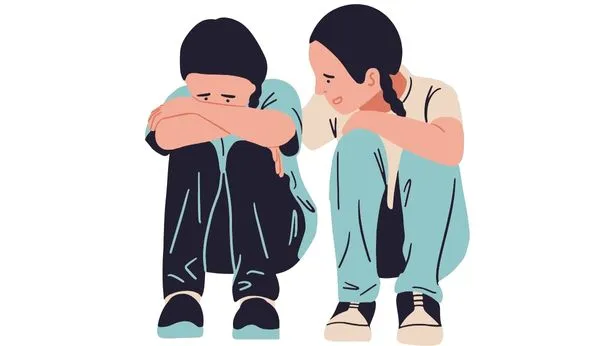
Trauma is not just about the past or what happened. It is also about how your mind and body responded to the event. For some, trauma can be minor and can be healed with time. While for some, it can also lead to Post-Traumatic Stress Disorder, shortly known as PTSD, which may include flashbacks, nightmares, and heightened anxiety. For others, it may look like numbness, low self-esteem, or difficulty maintaining relationships.
Common signs of unresolved trauma include:
- Trouble sleeping or constant fatigue
- Emotional outbursts or emotional numbness
- Difficulty trusting others
- Intrusive thoughts or memories
- Avoidance of certain places, people, or situations
- Physical symptoms like tension, headaches, or digestive issues
Trauma does not always fade on its own. It may require professional help. Without support, the effects can linger for years and show up as anxiety, depression, or even physical illness. This is why it is important to seek therapy for PTSD and trauma. It offers a structured, compassionate path to healing.
What Is Trauma Therapy?
Trauma therapy is a specialized form of counseling that helps individuals process distressing events, release stored emotional pain, and develop healthier ways of living. Unlike general talk therapy, trauma therapy is specifically designed to address the impact of trauma on the brain and body.
Approaches often used in trauma therapy include:
- Cognitive Behavioral Therapy (CBT): Helps identify and reframe unhelpful thought patterns.
- Eye Movement Desensitization and Reprocessing (EMDR): Uses guided eye movements to process traumatic memories in a safe way.
- Somatic Therapy: Focuses on how trauma lives in the body and teaches ways to release physical tension.
- Mindfulness and grounding techniques: Help regulate overwhelming emotions in the present moment.
Each person’s healing process is unique, and therapists adapt methods to fit individual needs.
The Benefits of Trauma Therapy
Seeking support for trauma is not about forgetting the past—it’s about reclaiming your ability to live fully in the present. Some of the most important benefits of trauma therapy include:
- Emotional Healing After Trauma
Trauma often leaves people feeling broken or powerless. Therapy helps you validate your experiences, understand your emotional responses, and slowly rebuild a sense of wholeness.
- Reduced Symptoms of PTSD
With techniques like EMDR and CBT, trauma therapy can lessen flashbacks, nightmares, and anxiety, making daily life more manageable.
- Improved Relationships
Trauma can make it difficult to trust others or feel safe in relationships. Therapy offers tools to improve communication, build boundaries, and foster healthier connections.
- Greater Self-Compassion
Many trauma survivors blame themselves. Therapy helps you challenge self-blame and develop kindness toward yourself—an essential part of healing.
- Renewed Hope and Meaning
Trauma therapy is not just about managing symptoms. It is about rediscovering joy, purpose, and resilience.
How to Recover From Trauma: What the Process Looks Like
Healing from trauma is not a quick fix, but therapy provides guidance along the way. Here’s what recovery may look like:
- Safety and Stabilization – The first step is creating a sense of safety. A therapist helps you regulate emotions and develop coping tools.
- Processing the Trauma – With time and readiness, therapy explores traumatic memories in a supportive way, using approaches like EMDR or somatic therapy.
- Integration and Growth – The final stage focuses on building a new sense of self, strengthening relationships, and embracing life with more confidence and peace.
Each stage is taken at your pace. Therapy respects your boundaries and readiness.
Our Approach to Trauma Therapy
Our licensed therapists are specialized in trauma therapy and grief counseling. Our approach is gentle, compassionate, and deeply personalized. We integrate evidence-based methods like Internal Family Systems therapy, DBT, , and somatic practices while maintaining a client-centered focus.
What makes our therapists approach unique is their ability to combine clinical expertise with genuine empathy. Having both professional training and lived experience of caregiving and trauma, they understand how overwhelming emotional pain can feel. Clients often describe therapists as both grounding and empowering, someone who makes them feel safe while also encouraging growth.
There therapeutic approach often includes:
- Holistic care: Addressing both emotional and physical symptoms of trauma.
- Mind-body connection: Recognizing how trauma shows up in the body and teaching tools to release it.
- Strength-based perspective: Viewing survivors as resilient individuals, not broken.
Compassionate guidance: Meeting clients where they are without judgment.
Why Trauma Therapy with our Therapists Can Help You Reclaim Your Life
Working with us is more than just learning coping skills. It is about rediscovering yourself after trauma. With her guidance, clients often experience:
- Relief from intrusive thoughts and anxiety.
- Stronger boundaries in relationships.
- A renewed ability to trust themselves and others.
- A greater sense of purpose and connection.
Our belief is simple yet powerful: healing is always possible, no matter how long you’ve carried the weight of trauma.
When to Seek Trauma Therapy
You don’t need to wait until life feels unbearable to seek support. Consider starting therapy if you:
- Struggle with flashbacks or nightmares.
- Feel constantly “on edge” or emotionally numb.
- Have difficulty trusting others or forming relationships.
- Notice trauma-related physical symptoms like chronic pain or fatigue.
- Feel stuck in survival mode and want more from life.
Reaching out is not a sign of weakness, it is an act of courage and self-care.
Final Thoughts
Trauma may shape your story, but it does not have to define your future. With the help of therapy for PTSD and trauma, you can begin to heal, reconnect with yourself, and rebuild your life in meaningful ways.
Trauma therapy for healing is not about erasing the past, it is about reclaiming your strength, resilience, and ability to live fully. With the guidance of a compassionate therapist emotional healing after trauma becomes not only possible but empowering.
If you are ready to begin your healing journey, know that support is here for you. Our trauma therapy offers a safe, compassionate, and effective path toward recovery. Together, you can work on how to recover from trauma, reduce symptoms of PTSD, and rebuild your sense of peace and resilience. Reach out today to discover the benefits of trauma therapy and take the first step toward reclaiming your life.
Related Article: How Therapy Helps You Overcome Anxiety and Stress