

How Trauma Affects the Body
Most people associate trauma with emotional pain, but the connection between trauma and the body reveals that its impact extends far beyond our emotions. This pain can be caused by the recurring flashbacks, anxiety, or alertness that may last for a long time after distressing events. But trauma does not limit itself to the mind, one can also feel its impact physically. Recent research in modern neuroscience and psychology have also claimed that traumatic experiences can affect everything from brain chemistry to immune response and muscle tension. This can have a significant and lasting impact on an individual’s emotional state, physical functioning, and behavioral responses well beyond the initial event.”
Understanding how trauma affects the body helps explain why healing must address both mind and body. In this blog, we will explore how trauma affects the brain and body, the physiological changes that occur after a traumatic event, and also how body-based therapy can support recovery.
What Is Trauma?
Trauma is not just a result of single events like disasters or accidents. It may be anything that causes your nervous system to become overwhelmed beyond its capacity to cope.
Examples include:
- A serious accident or injury
- Emotional or physical abuse
- Neglect or abandonment
- Sudden loss or chronic stress
When a traumatic event occurs, the brain interprets the situation as life-threatening and immediately switches to survival mode. The system is then flooded with increased levels of hormones, including cortisol and adrenaline, to prepare itself for “fight, flight, or freeze.” For a short time, that response is protective. However, when stress signals aren’t shut off, the body can stay locked in a state of chronic tension.
How Does Trauma Affect the Body?
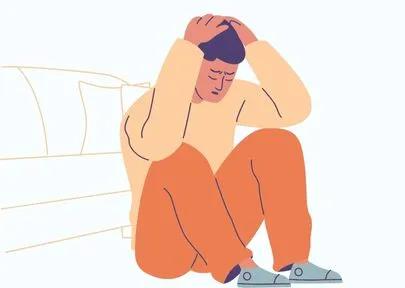
The mind and body are deeply connected. Every thought, emotion, and memory can be easily mirrored in physical sensations or actions. Here are some ways that trauma affects the body physically and why these responses remain after the original trauma or traumas have passed:
- Constant State of Alert
Trauma keeps the body’s alarm system, the amygdala and hypothalamus, activated.. Trauma does not let you rest, even in safe situations. It can cause heightened alertness, an increased startle response, and a persistent feeling of being on edge. Over time, this chronic tension may result in muscle tightness, headaches, fatigue, and digestive issues.
- Hormonal Imbalance
Repeated activation of the stress response increases cortisol and adrenaline and lowers – hormones like serotonin which are associated with comfort and safety. This kind of hormonal imbalance may contribute to sleep disturbances, irritability, weight fluctuations, and immune weakness.
- Changes in the Nervous System
Trauma can seriously impact the body’s autonomic stress response system. This system is known as the autonomic nervous system. Many trauma survivors often swing between two extreme states, hyperarousal and hypoarousal. Hyperarousal is a state where one feels anxious, panicked, or restless, and hypoarousal, where one feels numb, disconnected, or completely drained. This imbalance helps explain why someone might feel tense and “on edge” one day, yet emotionally shut down the next. This is the body’s way of trying to cope with overwhelming experiences.
- Physical Pain and Tension
Emotional traumas can also lead to chronic pain over time. This pain can appear as tight shoulders, lower-back discomfort, jaw clenching, or migraines. These physical symptoms are sometimes mistakenly viewed as imaginary or purely psychological, but they are genuine bodily responses—the result of unprocessed stress held within muscles and connective tissue.
- Digestive and Immune Issues
Trauma can disrupt the communication between the gut and brain via the vagus nerve. This can present as irritable bowel syndrome, appetite suppression, or systemic inflammation, illustrating that trauma exerts profound physiological effects throughout the body.
Also Read: How Long Does Therapy Take to Work?
How Does Trauma Affect the Brain and Body?
Here’s how trauma changes the brain in simple words:
- Amygdala: Known as the brain’s alarm system. Trauma can over activate the amygdala, resulting in a constant state of fear or alertness.
- Hippocampus: This brain region organizes and consolidates memories. Trauma can cause the hippocampus to shrink and dysfunction, leading to flashbacks, confusion, or memory gaps.
- Prefrontal Cortex: This area controls reasoning and self-regulation. Trauma can reduce its activity, leading to difficulty thinking clearly, making decisions, and maintaining emotional composure.
- Insula: This area governs body awareness and pain sensation. Trauma can cause the insula to become oversensitive, leading to an intensified experience of pain and physical discomfort.
In combination, these changes cause the body and mind to respond to trauma reminders as if the danger is still present, even when the person is objectively safe.
According to APA guidelines on treating PTSD and trauma, the most evidence-supported treatments address both the cognitive and physiological dimensions of trauma response.
Read More: How Does Mental Health Affect Physical Health?
How Does Emotional Trauma Affect the Body?
Physical trauma produces visible wounds that facilitate straightforward diagnosis and treatment. Emotional trauma, while often invisible, is equally impactful and can significantly affect daily functioning.
Like physical injuries, emotional trauma requires professional care from a licensed therapist. When left unaddressed over time, emotional trauma can manifest as:
- Tightness in the chest or throat
- Rapid or irregular heartbeat
- Chronic fatigue or sleep disturbances
- Feelings of heaviness or emotional numbness
- Digestive problems and changes in appetite
These physical symptoms occur because the body retains unprocessed emotions. When feelings such as fear, grief, or shame lack safe outlets for expression, they emerge as physical discomfort. This mind-body connection explains why therapeutic approaches like Eye Motion Desensitization and Reprocessing (EMDR), somatic experiencing, and trauma-informed practices can prove to be so effective—they address both the psychological and physiological dimensions of healing.
Healing the Body After Trauma
Healing from trauma requires more than talking about what happened. It is important to understand how trauma affects the body physically. It involves reconnecting with the body in safe and mindful ways.
Here are effective methods that can address both emotional and physical layers:
- Somatic Therapy
Somatic therapy is oriented to the body. By guiding awareness, breathing, and gentle movement, the client learns to recognize where tension is stored and to gradually release it.
- EMDR (Eye Movement Desensitization and Reprocessing)
EMDR treatment approaches trauma by utilizing bilateral stimulation of both hemispheres of the brain through simple rhythmic eye movements or finger tapping to help the brain reprocess traumatic memories, reducing their emotional charge and restoring calm to the nervous system.
Learn more in our post on how EMDR can help with anxiety.
- Trauma-Informed Yoga or Mindful Movement
These practices reconnect mind and body by way of intentional movement and controlled breathing.
This supports grounding and regulation of emotions.
- Breathwork and Grounding
Breathing calms the vagus nerve and balances the response to stress. The grounding techniques, noticing our physical sensations or being mindful of touch, can bring awareness back to the present moment.
Liven’s guide on how to reset your nervous system offers practical breathwork and grounding tools that complement this work.
- Therapeutic Support
These body-based techniques are integrated with emotional processing when one works with a trauma therapist. A therapist can lead you in identifying triggers, reframing memories, and rebuilding a sense of safety.
Why the Body Remembers — and Why That’s Okay
One of the profound insights from trauma research is that the body remembers what the mind forgets. It isn’t a flaw; it is how the human body protects itself. Those lingering sensations, aches, or emotions are not signs of weakness; they’re messages from a nervous system asking for attention and care.
Healing can begin when you listen to those signals and approach them with compassion. And, with the proper guidance, the same body that holds the memory of trauma is also one that can hold the experience of healing.
Read more about how to recover from trauma and begin the journey toward lasting peace.